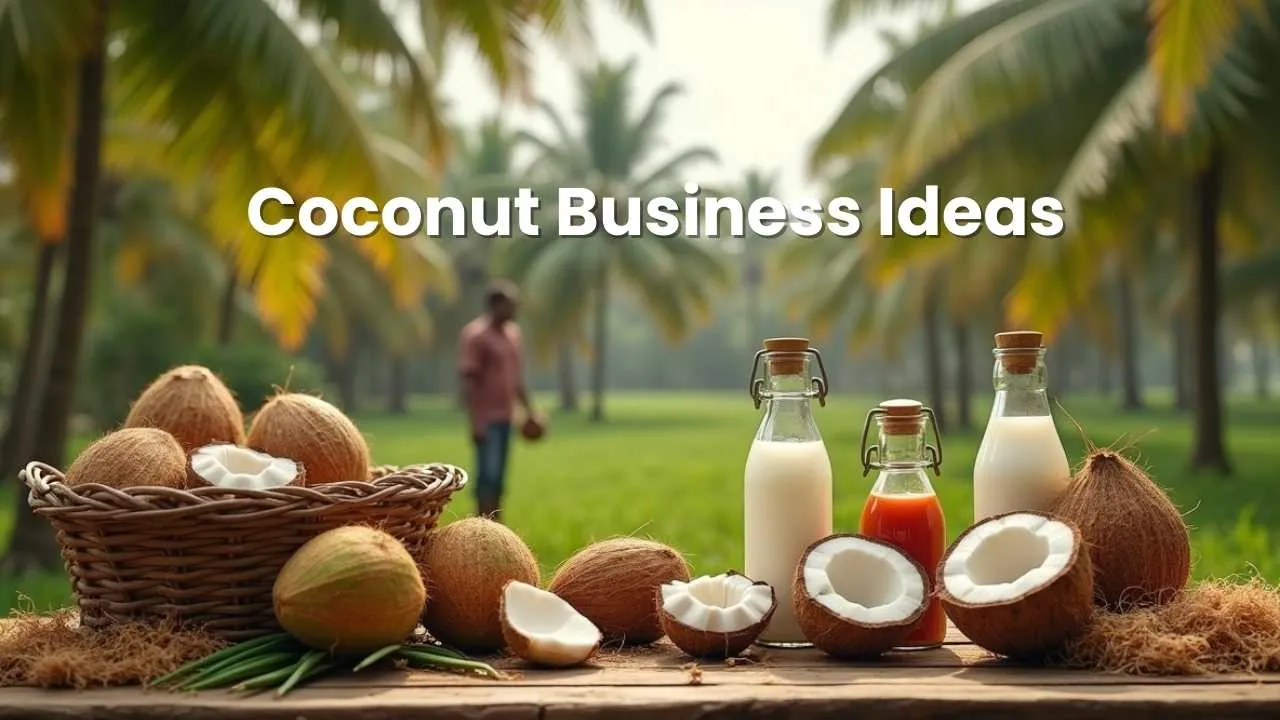
If you’re looking at agriculture from a business point of view, coconut business ideas are hard to ignore right now. Coconut is often called the “tree of life”, and honestly, it earns that name. Almost every part of it can be turned into something useful and profitable—fresh coconuts, coconut water, oil, cosmetics, and even by-products.
What makes the coconut business especially attractive today is the steady rise in health-conscious consumers. People are choosing natural, plant-based products more than ever, and coconut products fit perfectly into that trend. This has created consistent demand across food, wellness, and personal care industries, not just in India but globally.
Whether you’re a farmer wanting to add an extra income stream, an entrepreneur exploring value-added products, or an investor interested in agribusiness, the coconut business offers multiple revenue options with relatively low risk. With strong market demand and long-term relevance, it’s one of those rare agricultural businesses that feels both practical and future-proof.
Is Coconut Business Profitable?
As of 2025, the global coconut market is valued at USD 19–20 billion and is projected to grow at a 7% CAGR, driven by rising demand from the food, beverage, cosmetics, and wellness industries. Coconut water is the fastest-growing segment, with a market size of USD 7–7.5 billion, reflecting strong consumer preference for natural and functional drinks.
Coconut oil remains a key contributor, accounting for nearly 22–24% of the total market, valued at USD 4–4.2 billion, supported by its widespread use in cooking and personal care. On the farming side, copra prices remain firm, with support prices around ₹12,000–12,500 per quintal, providing better income stability for growers.
Profit Margins in Raw vs Value-Added Coconut Products
- Raw coconuts: 20-30% profit margin
- Coconut oil: 40-60% profit margin
- Coconut water (packaged): 50-70% profit margin
- Cosmetics & value-added products: 70-150% profit margin
- Coir products: 35-50% profit margin
Key Factors That Affects Profitability in Coconut Business
The success of the Coconut Business Ideas is determined by several factors, including location and climatic conditions, quality of raw materials, processing technology, distribution channels, market accessibility, brand positioning, market strategy, government policies, and subsidies. Fluctuating seasons can affect supply and pricing, and efficient supply chain management is essential to maintaining year-round profitability.
Advantages of the Coconut Business Compared to Other Agri-Businesses
- Multiplexed sources of revenue: of single crop (fruit, oil, water, shell, coir).
- Production all year round: no defined harvesting time.
- Requires less maintenance than other crops.
- Drought-resistant and fit coastal areas.
- Increasing international demand for organic and natural products.
- Long, fruitful life: (60-70 years per tree)
- Few pest problems, in comparison with other plantation crops.
- Zero-waste business: a model based on using all parts.
Types of Coconut Business Opportunities in India
Fresh Coconut Business
- Farm-to-consumer direct sales.
- Warehouse distribution to suppliers and retailers.
- Vending machines of tender coconuts.
- Export of fresh coconuts
Value-Added Coconut Products
- Virgin coconut oil and coconut oil.
- Ready-to-drink coconut water and milk.
- Dried coconuts and coconut meal.
- Environmentally friendly coconut-based cosmetics and health products.
- Coconut sugar, vinegar and confectionery.
Coconut Waste & By-Product Business
- Coir pith and coir fibre extraction.
- Coconut shell charcoal and activated carbon.
- Coconut shell handicrafts.
- Coconuts waste produce animal feed.
- Coconut husk organic fertilisers.
List of Top 15 Coconut Business Ideas for 2026
1. Packaged Coconut Water Business

Coconut water in its packaged form is a billion-dollar business in the international arena, where it has already established itself as a natural sports drink and health drink. The proposed coconut business concept is the extraction of fresh coconut water and then processing it in hygienic conditions before it is packaged in tetra packs, bottles, or cans.
Canned coconut water is low in fat, contains natural electrolytes, and has many health advantages, which means packaged coconut water targets fitness enthusiasts, health-conscious consumers, and athletes.
- Investment Required: ₹15-50 lakh in processing equipment, packaging machines, as well as cold storage.
- Profit Potential: 50-70% margins, annual revenue of ₹50 lakhs to ₹2 crores, given proper distribution.
- Challenges: Limited shelf life, intense competition and cold chain logistics are needed, seasonal change in quality.
2. Coconut-Based Soap & Cosmetics
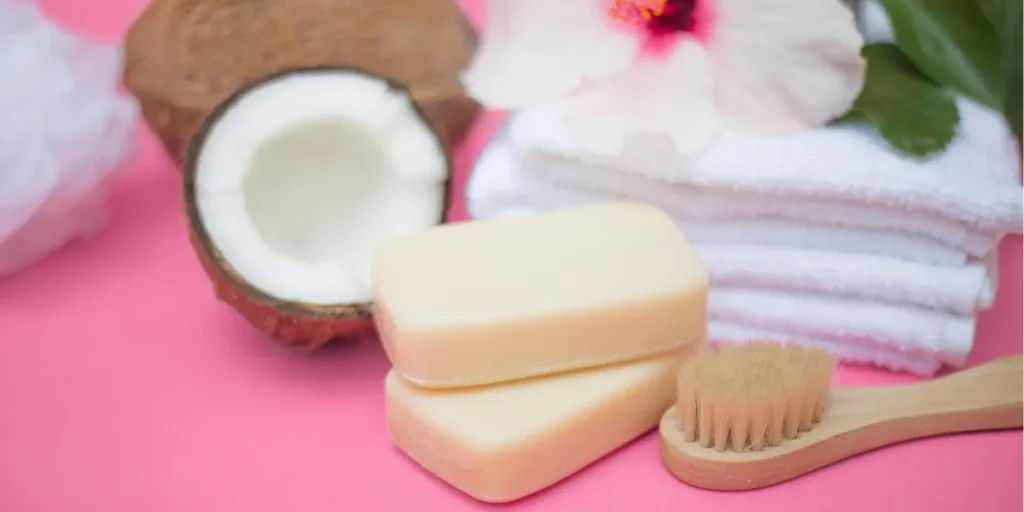
The natural beauty and personal care market is on a boom, and the coconut-based products are at the centre of this revolution. The coconut business ideas involve the production of soaps, shampoos, body lotions, face creams, hair oils, among others, with coconut oil and coconut milk as the key ingredients.
The cosmetics made of coconuts are very marketable since consumers are more inclined towards chemical-free, organic products. It will be possible to start the business small by using handmade products and then expand to automated manufacturing.
- Investment Required: ₹5-25 lakhs to set up production; home-based production ₹50,000 and above.
- Profit Potential: 70-150% markup; annual profits ₹10-50 lakhs depending on size and branding.
- Challenges: Regulatory compliance required, preserving free shelf life problems, strong brand competition, trust trust-building issues were necessary.
3. Coconut Sugar & Vinegar Production
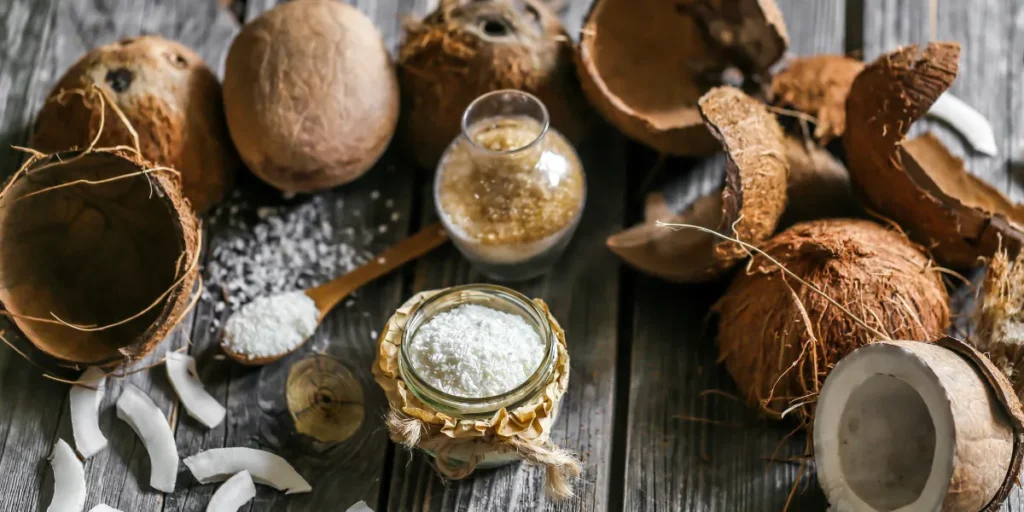
Vinegar and coconut sugar are becoming the latest healthy products to replace refined sugar and synthetic vinegar, and offer a profitable coconut business model. Coconut sugar, which is a sap of the coconut palm, has a low glycemic index and is rich in minerals, and is also attractive to diabetic and health-conscious consumers.
Coconut vinegar is a fermented product made of coconut water or sap, which has probiotic qualities and is used in cooking.
- Investment Required: ₹3-15 lakhs in processing equipment, fermentation tanks and packaging units.
- Profit Potential: 40-60% margins; coconut sugar ₹200-400/kg; potential revenue ₹8-30 lakhs/year.
- Challenges: Sap tappers were in demand, production required the weather conditions, fermentation was a lengthy process, and consumers had to be educated.
4. Organic Coconut Farming

Organic coconut farming is a good business concept in Coconut Business Ideas and Coconut production, which is sustainable and profitable, and has its own premium prices both locally and internationally. The venture aims at producing coconuts without the use of synthetic fertiliser, pesticides, and chemical inputs, but the use of organic manure, bio-fertilisers, and natural ways of controlling pests.
Organic certification (India Organic, USDA, EU Organic) adds a lot of value to the products and the export markets are opened. Agricultural management promotes soil, biodiversity, and the sustainability of the environment.
- Investment Required: ₹2-5 lakhs per acre, namely saplings, irrigation, organic inputs and certification expenses.
- Profit Potential: ₹1.5-3 lakhs per acre/year after maturity; 30-50% higher price than traditional coconuts.
- Challenges: long (4-5 years) waiting time to certification, costly certification process, costly labour,and sensitive to weather conditions.
5. Copra Production Unit

Copra, which is the dried kernel of the coconut, is the basis of the coconut oil industry and a very lucrative part of the coconut business. This is a company that deals with obtaining fully developed coconuts, harvesting the kernel and drying it in the process of sun-drying or using mechanical drying techniques to yield copra with 6-8% moisture content.
The major raw material used by the oil mills, exporters and industrial manufacturers is Copra. The oil producers provide consistent demand to the business throughout the year.
- Investment Required: ₹8-20 lakhs on drying machines, storage and shelling machines.
- Profit Potential: 4-8/kg profitability; the processing of 500-1000 kg/day brings ₹15-40 lakhs income per year.
- Challenges: Sun-drying weather dependency, fuel expenses on mechanical drying, fluctuations of market prices, and monsoon storage problems.
6. Tender Coconut Vending
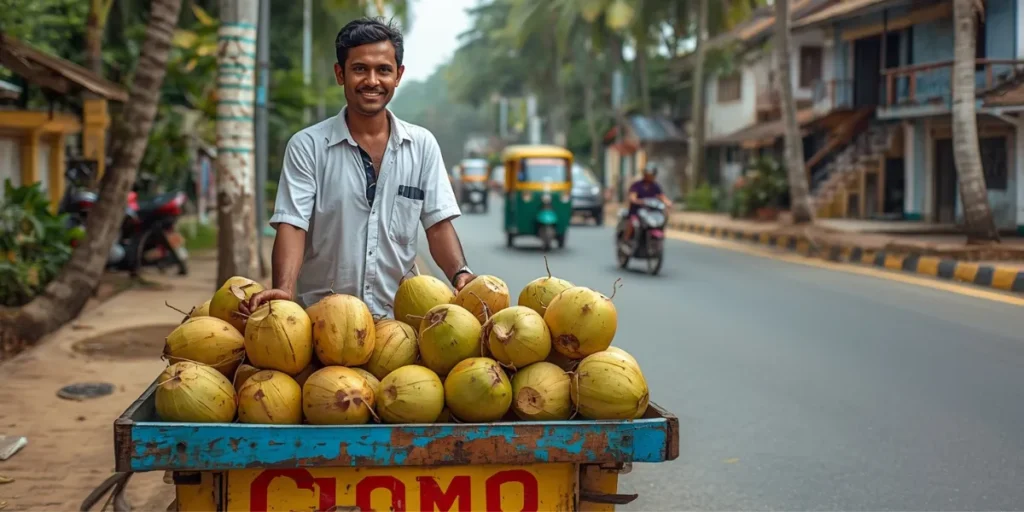
Coconut vending is a low-investment, high-profit one of the coconut business ideas that ideal for generating instant cash flow to the business owner. This is a business of selling fresh tender coconuts as a natural refreshing beverage in places that have a lot of foot traffic, such as beaches, tourist centres, markets, gyms and commercial complexes.
Given the fact that each tender coconut sells for ₹30-60 with a cost of ₹15-25, the profit margin is appealing. The company needs to set up a small business: a cart or a small stall, cutting tools, and an effective supply chain of fresh tender coconuts.
- Investment Required: ₹20,000-₹1 lakh to buy cart/ kiosk, initial stock, and permits; mobile vending to ₹15,000.
- Profit Potential: 50-100% markup; 50-150 sold daily gives ₹25,000-₹1.35 lakhs within a month.
- Challenges: shelf life no longer than 2-3 days, seasonal fluctuations in demand, permits required by the location, and stiff competition.
7. Coconut Chips & Snack Making
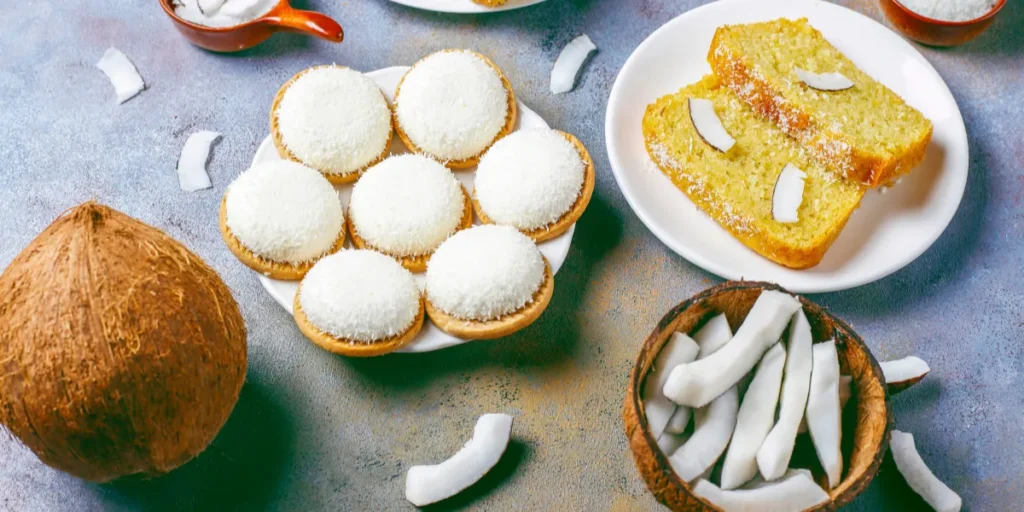
Coconut snacks and chips are a great coconut business ideas opportunity in the healthy snacking industry. Biscuit brands in India also explore similar product innovations. This includes cutting coconut flesh into thin slices, drying it with different flavours (salted, spicy, sweet, tangy), and baking or frying until crispy to make snacks.
Coconut chips are free of gluten, have good amounts of healthy fats, and are attractive to health-conscious buyers and the keto diet. The new product line can be diversified to cover coconut cookies, coconut granola bars, and mixed coconut-nut snacks.
- Investment Required: ₹3-12 lakhs for machinery, ovens, packaging equipment, and licenses; home units ₹50,000.
- Profit Potential: 60-100 profit margin; goods ₹200-400 per pack; monthly profit of ₹30,000- ₹2 lakhs possible.
- Challenges: Consistency in quality was required, competition from brands was developing, shelf life and development of the distribution network.
8. Coconut Flour Manufacturing
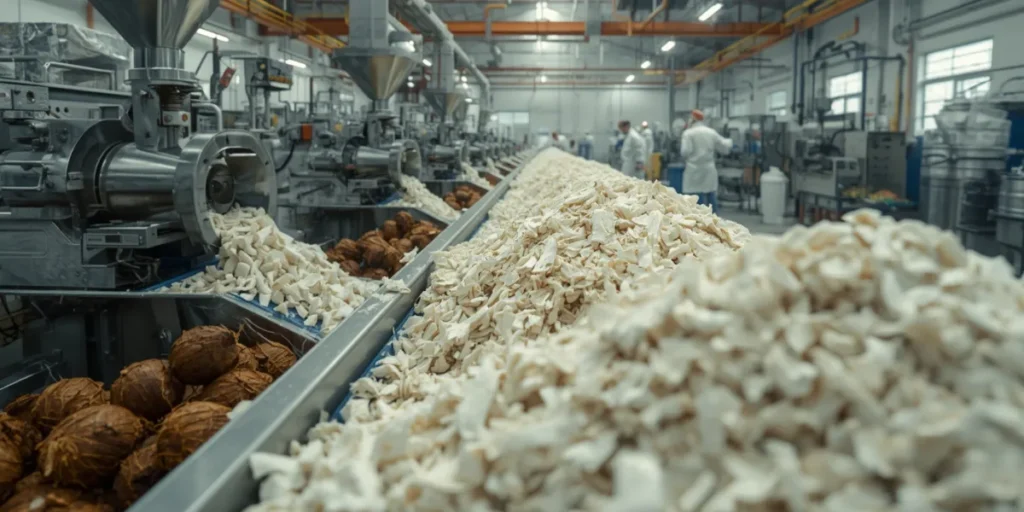
The production of coconut flour is an original coconut company concept that exploits the gluten-free and paleo diets, one of the best coconut business ideas for people who are allergic to gluten. Coconut flour, which is the by-product of the oil extraction, is rich in fibre, protein, and healthy fats and low in carbohydrates.
Drying, defatting, grinding into fine powder and packing are some of the processes used in manufacturing it, which is then sold as a retail good. Coconut flour sells at high prices ( 300-600 per kg ) in health food shops and online. The use of by-products of oil manufacturing plants is beneficial to the business as it leads to resource efficiency and other sources of revenue.
- Investment Required: ₹5-18 lakhs of defatting equipment, grinders, dryers, packaging apparatus and certifications.
- Profit Potential: 50-80% margins; cost ₹150-200/kg, selling ₹350-600/kg; monthly profit ₹40,000-2 lakh.
- Challenges: Fine texture consistency, consumer education required, competition on imported brands, and penetration in health retail.
9. Desiccated Coconut Manufacturing

The manufacturing of desiccated coconuts is an established coconut company concept that has a high domestic and export market. It is done by shredding fresh coconut meat, drying it to less than 3 per cent moisture content and packing in different grades (fine, medium, chips). Dried coconuts are used in bakery products, confectionery production, ice cream production and culinary purposes.
With proper packaging, the product has a high shelf life (12-18 months), hence it can be exported. The success depends on the quality standards, hygiene, and constant moisture regulation.
- Investment Required: ₹10-30 lakhs of shredding machines, dryers, packaging machines and export certifications.
- Profit Potential: 30-50% margins; wholesale ₹200-300/kg, retail ₹400-600/kg; monthly profit ₹1.2-5 lakhs.
- Challenges: The competition by manufacturers is high, the consistency of moisture is important, it is required to comply with export, and the price of raw materials is variable.
10. Coir Fibre & Coir Pith Products
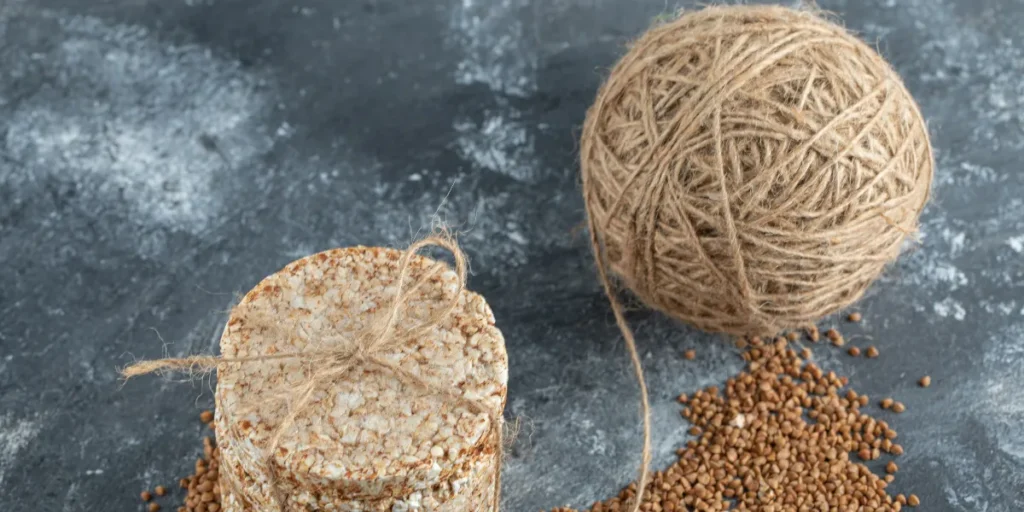
Coir fibre and coir pith business is a sustainable coconut business ideas which makes use of the coconut waste products. Coir fibre Coir fibre is a product of coconut husk used in a variety of products such as rope, mat weaving, geo-textile, and seat cushions of automobiles. Coir pith is a by-product of the fibre extraction process, and is sought after as a soilless growing medium in the horticulture industry and also mushroom farming, as well as, an organic mulch.
The company deals with harvesting coconut husks, retting (soaking), 6-12 months later, mechanical separation of the fibres, and heating them into different products.
- Investment Required: ₹8-25 lakhs for renting tanks, extraction machines, processing machines and drying machines.
- Profit Potential: 35-50% margins; fibre ₹25-40/kg, pith ₹5-8/kg; monthly profit ₹80,000-2.5 lakhs.
- Challenges: Retting takes 6-12 months, is labour-intensive, consumes a lot of space, and due to retting water, there are challenges on how to dispose of waste.
11. Activated Carbon from Coconut Shell
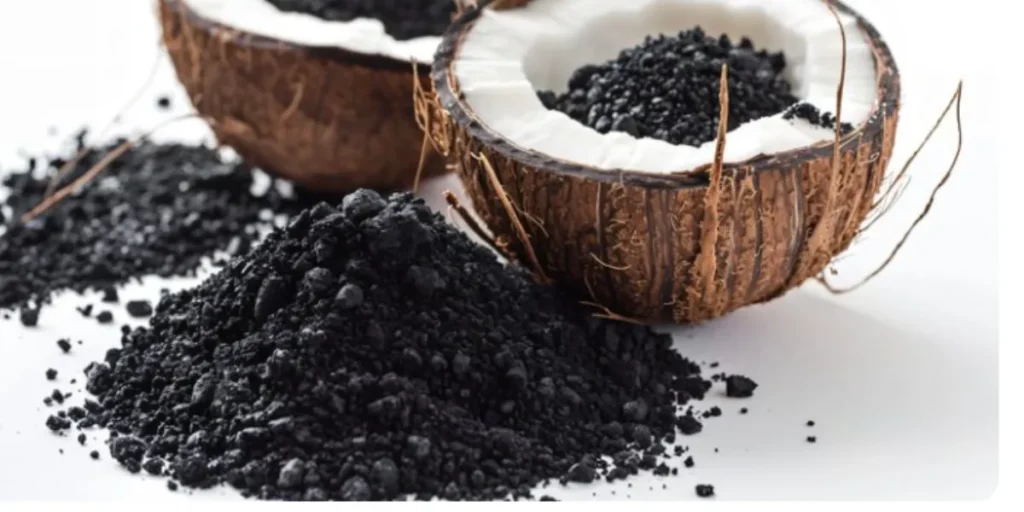
The manufacture of activated carbon using coconut shells is an upscale coconut enterprise concept used in the industries and the environment. Activated carbon made by using coconut shell is better than coal-based because it is harder, contains less ash and has more adsorption capacity.
Its production entails carbonising of coconut shells in the kilns, activating (by either steam treatment or chemical treatment), crushing to the desired mesh size, and packaging. Some of the uses are in purifying water, filtration of air, mining gold, pharmaceutical manufacturing, as well as food and beverage manufacturing.
- Investment Required: ₹15-40 lakhs in kilns, activation furnaces, crushing equipment, testing laboratories and clearances.
- Profit Potential: 60-100% margins; selling ₹120-250/kg; profit ₹2-12lakhs per month, 3-8 ton production.
- Challenges: There are environmental clearances that are needed, technical expertise is needed, high capital investment, and established market competition.
12. Coconut Shell Handicrafts
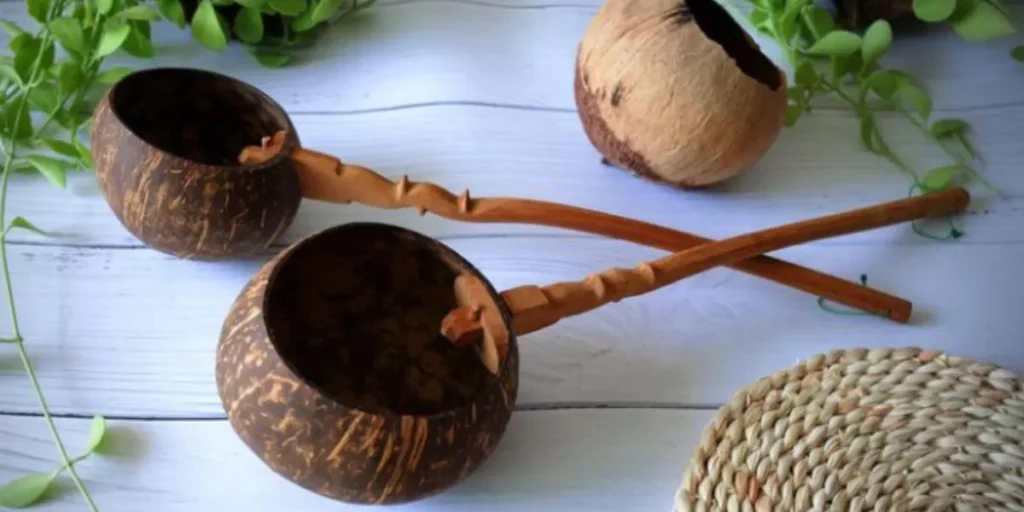
Coconut Shell handicrafts, among coconut business ideas, is an innovative coconut-based business concept that combines creativity and sustainability. This business converts the waste coconut shells into ornamental products, practical goods and artistic works such as bowls, spoons, jewellery, buttons, lamps, planters and showcases. The business targets environmentally conscious consumers seeking sustainable interior decor and gifts.
Artisans polish, cut, clean and carve shells into beautiful products. To succeed, one needs to be creative, a craftsman, and excel in marketing through exhibitions, websites, and gift stores.
- Investment Required: ₹50,000-3 lakhs of tools, workspace, finishing materials, packaging, and online platform.
- Profit Potential: 100-300% markup could be achieved; product ₹50-2000; monthly revenue ₹30,000-3 lakh are possible.
- Challenges: Short supply of skilled artisans, the seasonal demand is not always known, competing with mass production, tand he laborious handcrafting.
13. Virgin Coconut Oil Production
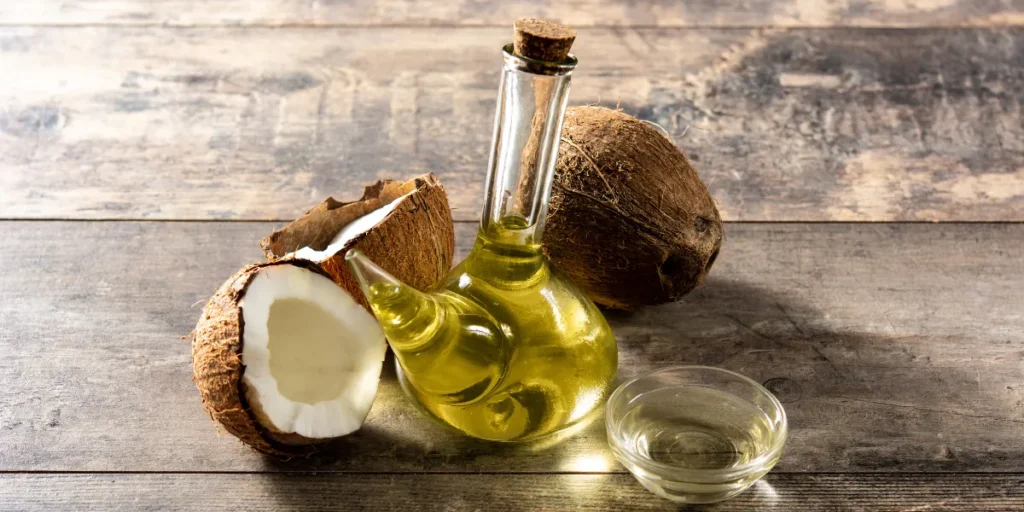
Virgin coconut oil (VCO) manufacturing is a high-end coconut venture that takes advantage of the wellness and health trend. VCO, in contrast to common coconut oil that is manufactured by using copra, is cold-pressed fresh coconut meat, which maintains natural nutrients, antioxidants, and the characteristic smell.
This is done by extracting fresh coconut milk and fermenting the oil via centrifugation or cold-pressing without heat or chemicals. VCO sells at 2-3 times the cost of ordinary coconut oil because it is of high quality and has health advantages.
- Investment Required: ₹8-25 lakhs for cold-press machines, centrifuges, tanks, bottling machines, and certifications.
- Profit Potential: 60-100% margins; retails ₹600-1200/litre; cost 250-400/litre; monthly profit ₹1.5-8 lakhs.
- Challenges: Raw material prices, maintaining the quality consistency, increasing the extraction process, and the known competition of the brands.
14. Coconut Milk & Cream Processing

Coconut Business Ideas include coconut milk and cream processing, a customizable coconut enterprise concept that will be utilised to provide to both retail and food manufacturing firms. It is done by grating fresh coconut meat and then pressing the liquid and then packing it in cans, tetra packs or bottles.
Coconut milk finds a large use in Asian cuisine and in vegan cooking, and as a dairy substitute. The thicker consistency form, coconut cream, is used in beverages, desserts and culinary purposes.
- Investment Required: ₹12-30 lakhs in grating machines, presses, pasteurisation, packaging machinery and storage.
- Profit Potential: 50-70% margins; milk ₹80-150/litre, cream ₹150-300/litre; monthly profit ₹2-8 lakhs.
- Challenges: Short shelf life, foreign brand competition, consistency of fat content required, and penetration of retail chains.
15. Dry Coconut Trading

Dry coconut trade is an old but lucrative business concept of coconut trading that needs very little processing facilities. The business entails obtaining high-quality dry coconuts (copra, including shell) produced by the farmers or wholesalers and sold to the retailers, temples, households, and food processing units.
Dry coconuts have a good shelf life (6-12 months) and can be used throughout the year because of their usage in religion, cooking, and oil production. The company needs good supplier networks in the areas of coconut production, the ability to assess quality, good storage and effective logistics.
- Investment Required: ₹3- 10 lakhs initial inventory, storage warehouse, transportation and working capital are required.
- Profit Potential: 15-30% margins; trading 5-20 tons per month will earn ₹50,000-3 lakhs profit.
- Challenges: Unstable market prices, storage space required in large quantities, transportation expenses affect the margin, and recognised competition of traders.
Coconut Farming Income & Yield Analysis
When the trees are mature, Coconut farming can provide sustainable long-term earnings. An average coconut farm, which is properly taken care of, produces 60-80 coconuts in a year. At the regular distance of 25-30 trees/acre, ₹1,500-2,400 coconuts/acre/year are produced on a one-acre area. With a mean price of 25-35/coconut, gross annual income will be ₹37,500-84,000/acre.
Nevertheless, value addition can increase the income of farmers:
- Production of copra: ₹1,20,000- ₹1,80,000 per acre/year.
- Virgin coconut oil: ₹2,00,000-₹3,00,000 every year.
- Sale of tender coconuts: ₹1,50,000 -₹2,50,000/acre/year.
- Certified organic coconuts: ₹180,000- ₹350,000 per acre per year.
The cost of operating, such as labour, fertilisers, irrigation, and maintenance, would be between ₹30,000-₹60,000 per acre in a year, which leads to a net profit of ₹90,000-₹2,90,000 according to the business model applied.
Investment & Funding Options
- Personal Savings & Family Investment: This option will use personal capital, minimal debt will be involved, and business decisions will be in full control.
- Bank Loans: MUDRA loans: State-sponsored, 30-day, ₹10 lakhs limit, micro-enterprise loans; term loans: loans to established businesses.
- Government Subsidies and NABARD Assistance: The Coconut Development Board offers a 25-40% subsidy on machinery and processing units, and NABARD provides concessional refinance to banks on coconut ventures.
- Venture Capital and Angel Investors: An innovative, scalable business with a strong brand can secure equity financing from investors interested in agribusiness.
- Crowdfunding Platforms: Digital Platforms can also be used to raise funds among people supporting unique coconut business ideas with social or environmental impact.
Tips for Success in the Coconut Business in 2026
- Concentrate on Quality Continuity: Stern quality standards in every point of procurement of raw materials to delivery of final products to develop brand recognition and consumer devotion.
- Value Addition Embrace: Do not sell raw coconuts; explore processing options to achieve higher profit margins through value-added products.
- Establish a Strong Supplier Network: build long-term partnerships with coconut farmers and suppliers who can guarantee a year-round supply at reasonable prices.
- Tap into Digital marketing: Explore the use of social media, online materials and digital advertisements to capture broader audiences, particularly the youthful consumers who are conscious of their health and find coconut products.
- Diversify the product portfolio: Do not rely on a single product; develop a range of coconut products to mitigate business risks and efficiently target different market segments.
Conclusion
Coconut business ideas are unmatched in entrepreneurship, across both small- and large-scale investments, and in competence. The coconut industry supports a range of business models, from small-scale tender coconut vendors that require minimal capital to large-scale manufacturing units producing virgin coconut oil. Coconut is a versatile product, with all parts of the tree having commercial value, ensuring a variety of income streams and business viability.
With growing demand for natural, organic, and sustainable products globally, coconut-related enterprises have a significant opportunity to capitalize on this market potential. By employing thorough planning, attention to quality, and effective marketing, a coconut business concept can become highly profitable, generate sustainable revenue, support environmental conservation, and provide rural people with jobs. The trick is to choose the right opportunity based on available resources, commitment, and market knowledge.
FAQs
What is the amount of investment required to launch a coconut business?
The investment cost ranges from ₹ 20,000 to ₹ 50 lakhs, depending on whether the tender is for coconuts or large processing plants. The average coconut business ranges from ₹3-10 lakhs, depending on the chosen business idea and size.
What coconut business is the most profitable?
Coconut oil production, canned coconut water, and coconut-based cosmetic products have the highest profit margins (60-150%), whereas the copra and dry coconut trades have steady but lower margins (15-30%).
What is the duration of the coconut farming to break even?
Coconut trees take 4-5 years to start bearing fruit and produce full fruit in 7-10 years. Nevertheless, the effect of the gestation period is mitigated by intercropping in the first few years, thus creating income.
Am I required to have special licenses for the coconut business?
No, no, FSSAI license on food products, GST registration on trade, and pollution clearance on manufacturing units. There are more APEDA and quality certifications demanded in export businesses.
What is the shelf life of coconut products?
Fresh tender coconuts have a 2- 3 day shelf life, packaged coconut water has a 6 -12 month shelf life, coconut oil has an 18-24 month shelf life, desiccated coconuts have a 12-18 month shelf life, and dry coconuts have a 6-12 month shelf life at favourable storage conditions.