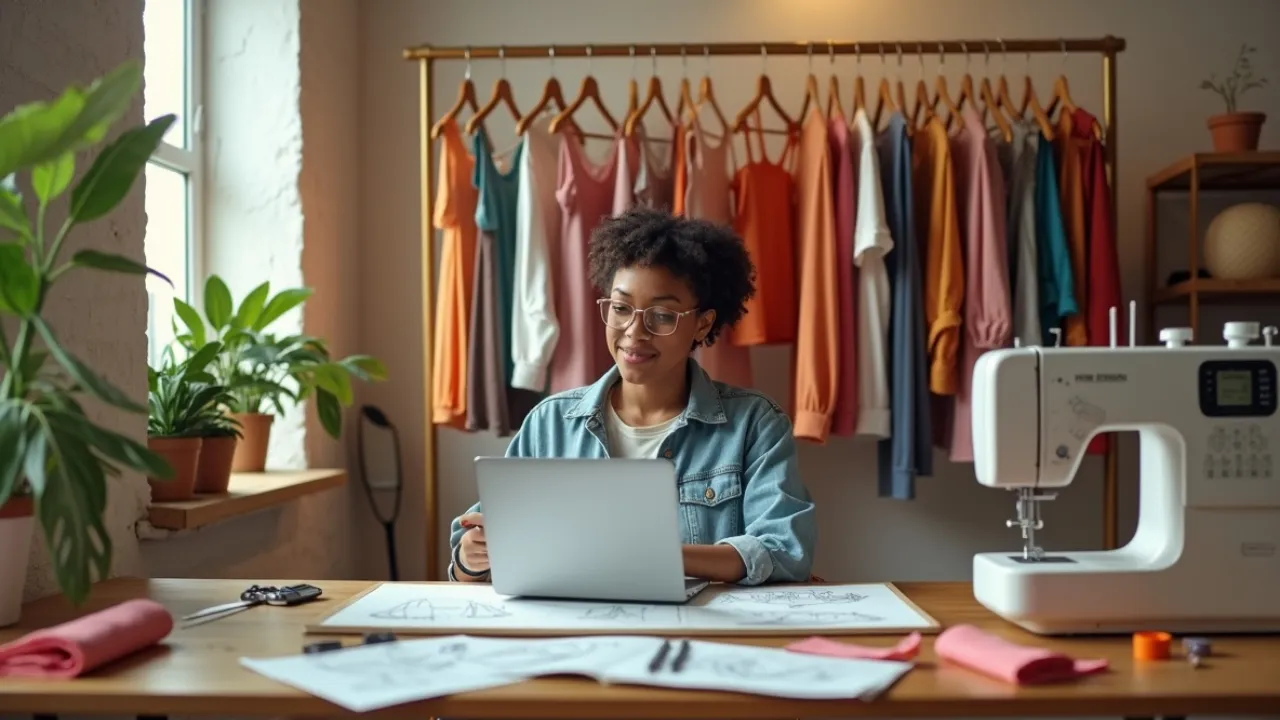

India is experiencing a revolutionary change in its fashion industry as we move further into 2026, driven by a digital-native generation and a growing middle class with a high level of disposable income. The Indian apparel market is currently worth $115.7 billion, maintaining its position among the largest markets in the world. Moreover, experts are predicting that the market will reach $171.6 billion by the end of 2034, with a constant growth rate of 10.5% in the current fiscal year. This is because the market is a perfect blend of traditional and digital, making it a golden period for entrepreneurs to enter the market and make a significant impact in the industry.
Also, the government has introduced its new scheme, “PM MITRA,” under which seven mega integrated textile parks are being established to streamline the market and reduce logistics costs. With the rise of Quick Commerce in metropolitan cities has forced consumers to demand instant delivery in the fashion industry, known as “instant fashion,” which is now a new retail strategy in the market. Whether it is the rise in textile exports or the demand for personalized clothes in the market, the possibilities are endless in the market, and by focusing on specific niches, anyone can find their place in this ever-growing and creative field. In this article, we will discuss 12 unique and low-investment clothing business ideas that can help you find your place in the ever-growing and ever-changing fashion world.
Why Clothing/Apparel is a Booming Industry in India
Apparel is a booming industry in India because it is a basic need that is still being fueled by the constant need for self-expression and individuality in culture and society, among other factors. The following are the factors that make starting a clothing business ideas a great move in the current market:
- Massive Market: The sheer number of people in the country is a significant advantage, with a projected per capita expenditure on apparel set to rise to ₹8,000 by the end of 2026.
- Digital Reach: The number of online consumers in the country is projected to rise to 350 million this year, making it easy for a small business to reach the remote corners of the country.
- Export Growth: The country is a global center, and the textile and apparel exports are already at $37 billion, with a $100 billion target set for 2030.
- E-commerce Ease: The online fashion market is growing at a CAGR of 22.2%, making it easy for entrepreneurs to set up a digital storefront.
- Cultural Diversity: The ethnic wear market is worth $19.5 billion, providing a constant market throughout the year, given the number of festivals and weddings.
You Might Like: Clothing Franchise in India
What Type of Business Is Best for Clothing?
This depends on how much you are willing to invest, how skilled you are, and how much time you are willing to dedicate to the business, among other factors. The following are the main types of business that you can start in the apparel market:
Online E-commerce Store
Selling via a website or a marketplace is great if you wish to target a national audience with minimal costs involved. This method is highly effective since e-retail is estimated to go beyond $160 billion by 2028.
Offline Retail or Pop-ups
Physical retail or pop-ups are best suited for high-touch products where consumers want to feel the fabric of the product. Offline retail is still a major contributor, constituting around 85% of total apparel sales in India, even in the digital age.
Print on Demand (POD)
This is a low-risk model where a product is created only after a customer has ordered it. The Indian print on demand market is the fastest-growing in Asia-Pacific, and the market is expected to reach a revenue of $5.4 billion by 2033.
12 Unique Clothing Business Ideas in 2026 (Category-Wise)
A) Home-Based & Low-Investment Clothing Businesses
1. Online Boutique from Home

An online boutique is the cheapest business to Start From Home for creative entrepreneurs who want to build a specific look or aesthetic. You can source unique pieces from wholesalers and sell them on Instagram or a website. Since the number of online consumers in cities is growing at a CAGR of 15%, you can build a strong following around a specific look. Since you are working from home, you don’t incur the cost of a commercial space, which is around 15% to 20% of total retail sales. Moreover, you can have a high level of interaction with consumers through direct messages, creating a loyal base of repeat consumers. Also, small-scale entrepreneurs can start with a few pieces and expand based on direct market feedback.
- Startup Cost: ₹20,000 – ₹50,000
- Profit Potential: 30% to 50% per item.
- Scalability: High, can expand into a private label brand.
2. Ethnic Wear Reselling on Social Platforms

Reselling ethnic wear like sarees and kurtis through WhatsApp and Facebook is a powerhouse business model. The ethnic segment of women’s wear is the highest in India, dominated by ready-to-wear kurtas. The business also sees a 30-40% boost in revenue during the festive season every year. Moreover, the business requires zero knowledge of manufacturing, which makes it suitable for beginners as well. You can also partner with multiple suppliers to offer a wide variety of fabrics and designs without holding stock in your warehouse. The personalized aspect of selling through your personal network also gives the business a higher edge in terms of fewer returns.
- Startup Cost: ₹5,000 to ₹15,000
- Profit Potential: ₹200 to ₹1,000 per sale.
- Scalability: Moderate; depends on your network size.
3. Kids’ Clothing Brand (Custom & Organic)

The kids’ wear industry in India has reached a whopping $27.2 billion in size, growing rapidly. Parents of kids in India are also becoming extremely conscious of the products they buy for their children, with 89% of parents in India preferring eco-friendly products for kids. Organic products, in particular, have seen a huge demand because of the 2x longer-lasting guarantee that organic cotton provides over other fabrics. Moreover, the niche segment of newborn gift sets has also seen massive demand in the market, giving the unique clothing business ideas a huge edge in terms of scalability. Besides, the business thrives on the certifications that the products offer to the children, providing a premium price for the products.
- Startup Cost: ₹40,000 to ₹80,000
- Profit Potential: 30% to 60%.
- Scalability: High; the market is expected to reach $38.7 billion by 2033.
4. Customized T-Shirt & Print on Demand Apparel
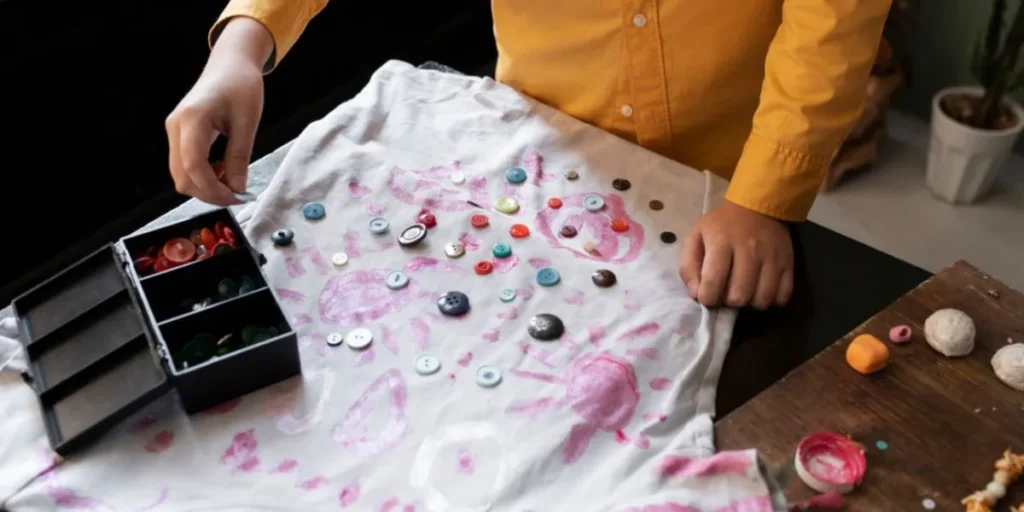
Customized t-shirts and print-on-demand apparel require almost zero inventory. India represents 8% of the global POD industry. The local industry is growing at an astonishing 26.2% CAGR. You create the design, and they handle the rest. This is an innovative industry that leverages the fact that now 80% of this industry’s transactions are happening through mobile. Additionally, you can change the design according to the latest trends or memes with just hours of adaptation. This allows for the marketing of specific segments of the population, such as gamers or pet lovers. Moreover, this industry is extremely eco-friendly with zero inventory, making it one of the best clothing business ideas in India.
- Startup Cost: ₹10,000 – ₹25,000
- Profit Potential: 20% – 40%.
- Scalability: Extremely High
B) Niche & Unique Clothing Ideas
5. Plus Size Fashion Brand

The global plus size market is valued at $339.6 billion in 2026, with the demand for this segment increasing by 25% in Tier 1 cities. The women’s segment represents a whopping 67% of this industry. The key here is the ‘Fit Success Rate,’ as specialized brands develop extremely loyal customers. Additionally, this segment of the population feels underserved by the general market, allowing for an innovative marketing strategy. You can provide high-fashion clothing that this segment of the population cannot normally access. Besides, this industry can reduce the cost of returns with the use of size guides.
- Startup Cost: ₹1 Lakh – ₹3 Lakhs
- Profit Potential: 30-60% profit margins.
- Scalability: High; competition in high-fashion plus-size clothing is low.
6. Adaptive Clothing for Special Needs

Specialized clothing for special needs is a niche for the elderly and people with disabilities, a demographic that makes up 16% of the world’s population. The global market for adaptive clothing is projected to reach a value of 18.93 billion in 2026. Special needs clothing offers dignity through shirts with magnetic buttons and side-opening pants. This is a growing market, expanding at a rate of 5-6%. Additionally, working with medical professionals can generate high-volume wholesale clothing business ideas for nursing homes. Besides, this market enjoys extremely high customer retention rates because of the life-improving functionality of the product.
- Startup Cost: ₹1.5 Lakhs – ₹4 Lakhs
- Profit Potential: Steady; high retention due to unique functionality.
- Scalability: High; can include medical-grade clothing.
7. Eco-Friendly / Sustainable Apparel
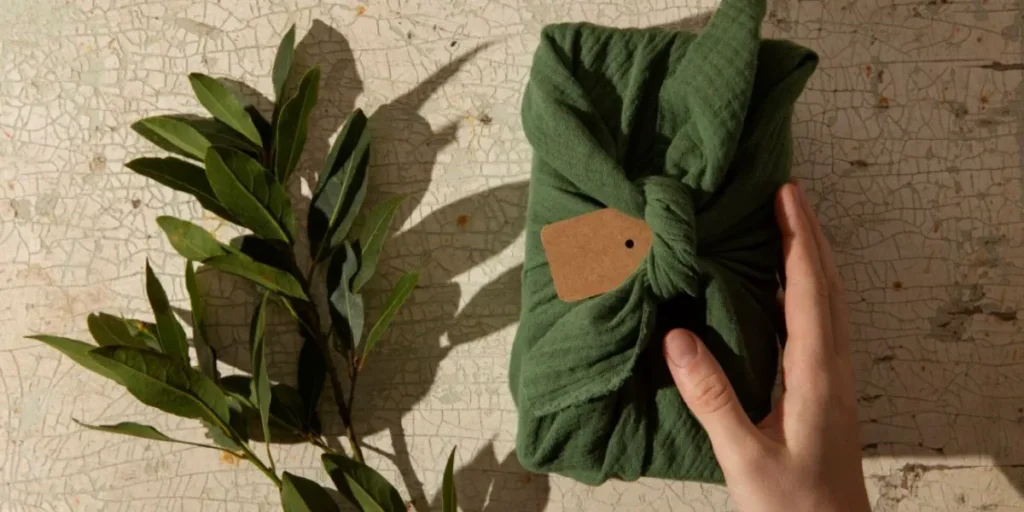
Sustainability is a necessity, and eco-friendly products are a market that will grow by 15%. Customers are now willing to pay a 9.7% premium for ethical products. Using hemp, bamboo, or organic linen can target the 42% of Gen Z consumers who are now considering eco-performance over fast fashion. Additionally, being able to talk openly about your carbon footprint and labor practices creates a powerful narrative for your brand that can connect with consumers across the globe. Finally, as government regulations on textile waste become more stringent, entering this market can be a key factor for your survival among various unique clothing business ideas.
- Startup Cost: ₹2 Lakhs – ₹5 Lakhs
- Profit Potential: ~45% CAGR.
- Scalability: High; as the market shifts towards “slow fashion.”
8. Handloom & Artisan Clothing Curator
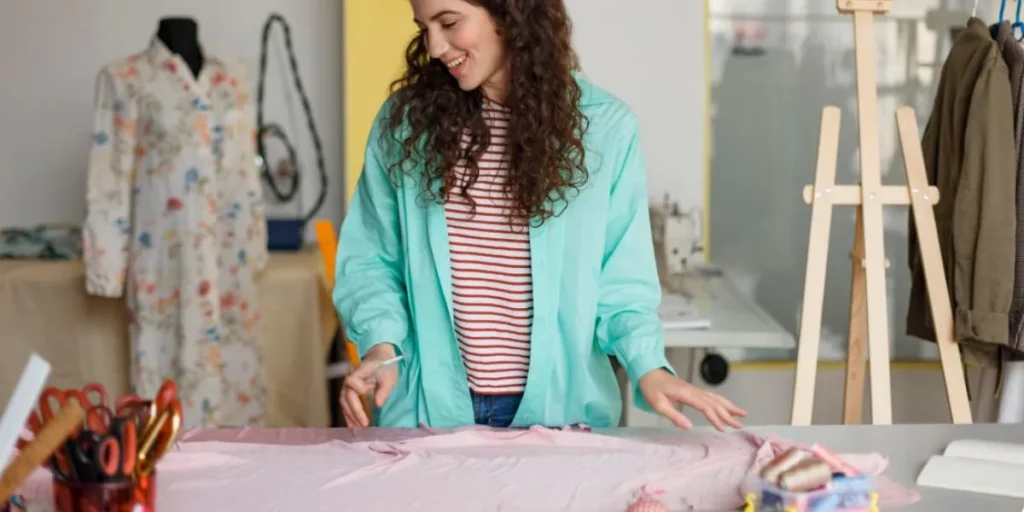
India is home to 85% of handloom products, which constitute a $9.67 billion market this year. Sarees contribute 35% to this market. Curation has helped 35 lakh weavers and has received a boost with the India-U.K. FTA, which waives 8-12% on exports. Additionally, modernizing these products with contemporary designs such as blazers on kurtas can target a new demographic of young consumers across the globe. This business model is highly dependent on storytelling and is therefore highly suitable for designer clothing business ideas. In addition, curating rare weaves such as Patola or Jamdani can target the luxury collector market.
- Startup Cost: ₹1 Lakh – ₹3 Lakhs
- Profit Potential: 40% to 60% profit on designer products
- Scalability: Moderate to High
C) Designer & Premium Clothing Lines
9. Designer Saree & Gown Boutique
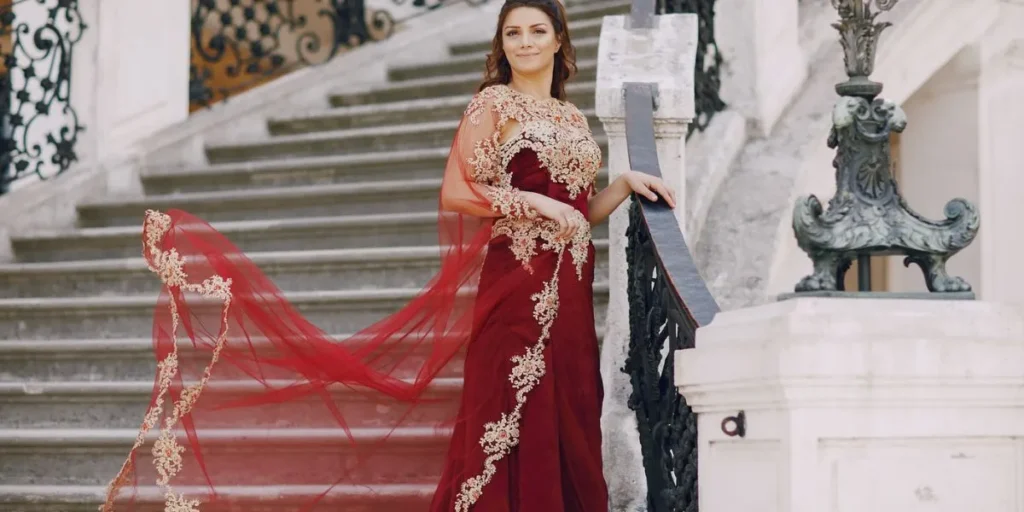
The premium wedding and party-wear segment is recession-proof, with the designer apparel segment growing by 10.5% in revenue this year. The segment of unique embroideries such as Zardosi has immense scope as 98% of the sales in this segment come from non-luxury products, leaving a huge scope for the luxury segment to grow. Moreover, offering bespoke tailoring services will allow the boutique to charge for the expertise as well as the fabric cost of the outfit. The boutique can also conduct small trunk shows in Tier 2 cities to target aspirational customers who do not have access to designer boutiques. Also, the resale value of designer ethnic wear is also quite high, thus providing a lucrative option for the budget-conscious luxury seeker.
- Startup Cost: ₹3 Lakhs – ₹7 Lakhs
- Profit Potential: ₹5,000 to ₹20,000 profit per outfit
- Scalability: High; can expand into international shipping.
10. Bridal & Occasion Wear Brand

The bridal wear market is expected to touch 71.18 billion dollars by 2026, with the stakes for high-end designer wear brands increasing, as evident by large corporate deals such as the 398 crore rupee stake deal for Sabyasachi. The key is customization, where brides are willing to pay 100% markup for bespoke designs. Additionally, you can provide complete bridal wear planning, which can be a contract for years to come. You can also expand into the groom’s wear segment, as well as bridesmaid wear, to increase your share of the wedding pie. The wedding wear segment can provide stability for your company, making it one of the most lucrative designer clothing business ideas.
- Startup Cost: ₹5 Lakhs – ₹15 Lakhs
- Profit Potential: 100% to 200% margin.
- Scalability: High; can lead to a luxury fashion house.
11. Fusion Wear Line (Ethnic + Western)
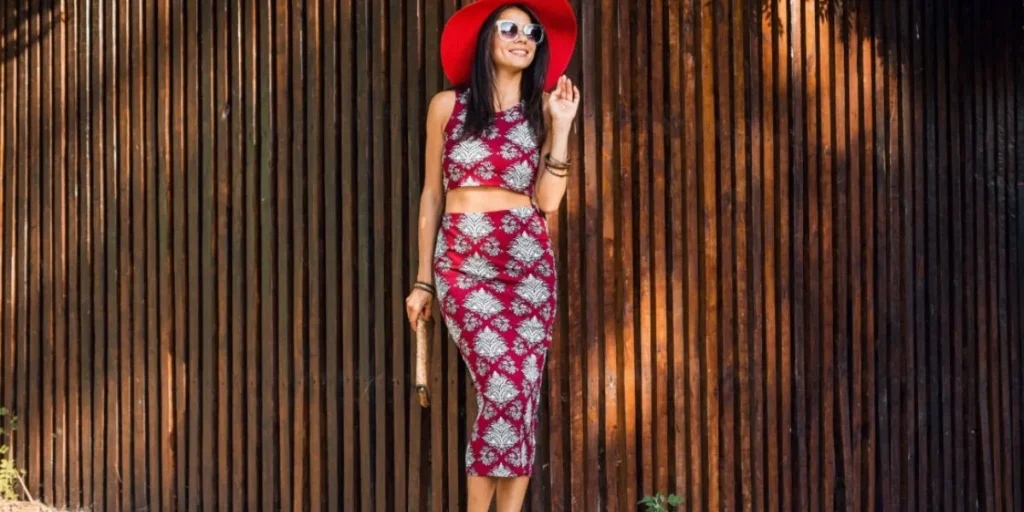
Fusion wear has been a trend in mainstream fashion for some time now, and 60% of the urban youth in the country have come to accept and even prefer Indo-Western outfits. The combination of a kurti and jeans has been one of the primary outfits for women in the 20-35 age group. This segment has high digital engagement, and interest in “Sustainable Fusion” has grown by 120% YoY. Additionally, the flexibility of these outfits makes them suitable for corporate wear, where ethnic wear might be too formal. There’s scope to play around with bold prints on western outfits like a Kalamkari trench coat or a Bandhani jumpsuit. Moreover, this segment has tremendous potential in the international diaspora market, especially in the US and UK.
- Startup Cost: ₹1 Lakh – ₹4 Lakhs
- Profit Potential: 30% to 50% margin.
- Scalability: High; extremely popular on platforms like Nykaa Fashion.
12. Luxury Kids & Teens Fashion Label
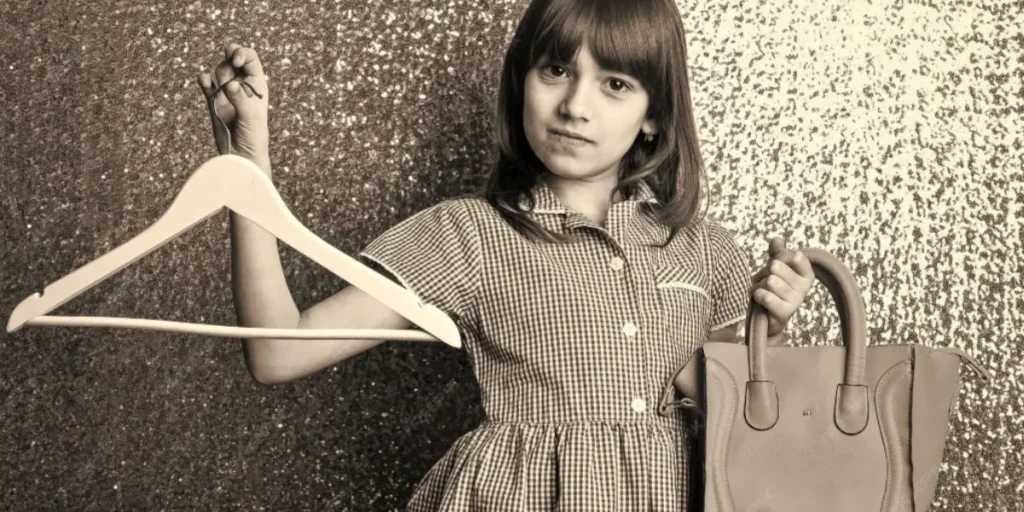
The worldwide luxury products for kids market size is valued at 46.7 billion US dollars in 2026. India is one of the key markets for this segment, with a 6.7% growth rate. The segment for luxury apparel and footwear holds 37% of the worldwide sales of this niche segment, driven by high-net-worth households who want “aesthetic” wear for social events. The segment is also driven by “kidfluencers” on social media who want trendy, high-fashion wear for younger age groups. Teenagers want street wear and other brands that provide social status among their peers. Moreover, this segment is less price-sensitive, making it one of the most promising unique clothing business ideas for entrepreneurs targeting kids’ fashion.
- Startup Cost: ₹2 Lakhs – ₹6 Lakhs
- Profit Potential: High; High-End Pricing for Niche Market
- Scalability: High; can expand into footwear
Which Clothing Business Is Most Profitable?
| Business Name | Startup Cost | Profit Potential | Scalability |
| Print-on-Demand | ₹10k – ₹25k | Moderate (20% – 40%) | Very High |
| Online Boutique | ₹20k – ₹50k | High (30% – 50%) | High |
| Plus-Size Brand | ₹1L – ₹3L | High (30% – 60%) | High |
| Sustainable Line | ₹2L – ₹5L | High (35% – 50%) | High |
| Bridal Wear | ₹5L – ₹15L | Very High (100% – 200%) | Moderate |
| Ethnic Reselling | ₹5k – ₹15k | Low – Moderate (10% – 25%) | Moderate |
How to Start a Clothing Business in India (Step-by-Step)
Starting a brand requires a creative and legal base. To start a successful clothing business, here are a few steps to take:
Market Research and Niche Selection
Conduct market research on what competitors are doing and how you can fill a niche. Mid-premium is currently growing at a high rate because people are aspirational spenders. This will also enable you to market your clothing business ideas better.
Business Registration and GST
Register your business as a sole proprietor or a private limited company. Getting a GST number is a must if you want to sell online and claim input tax credits on purchases, which is essential for a $160B e-retail market.
Sourcing and Manufacturing
You can either manufacture on your own, get a boutique to design and make clothes, or get clothes made by wholesalers. Building a strong relationship with suppliers is a must because it will enable you to maintain quality over a period of time.
Brand Identity and Website
Choose a catchy name and get a logo made that suits your brand’s personality. Getting a website made on Shopify is a must if you want to look professional to 350 million online shoppers.
Marketing Tips for Clothing Businesses (2026)
Marketing has become a community-driven activity instead of a product-driven activity. Here are five different marketing strategies that can be used for a clothing business ideas in 2026:
- Influencer Collaborations: Micro-influencer collaborations are a must because conversion rates are reaching 35% on mobile commerce in India. Another advantage with micro-influencers is that they have high-engagement audiences, which can be useful in creating trust with your brand.
- Video Content: Leverage Reels and YouTube Shorts to create ‘behind-the-scenes’ content about your manufacturing process; demand for it is increasing at 10.5% in Gen Z. Video content allows you to showcase your creativity and style in a manner that can be easily consumed by Gen Z.
- User-Generated Content: Leverage social proof; digital penetration has already reached 900+ million internet users. Encouraging your customers to post pictures with your products can be useful in creating brand loyalty.
- Local SEO: Leverage local keywords; Tier II and III cities account for 40% of the apparel business. By optimizing your website for local searches, you can reach people in your vicinity who are actively searching for apparel.
- Email & WhatsApp Marketing: Leverage your most loyal customers with updates about your latest products. Exclusive updates about your latest products can be useful in increasing customer loyalty.
Conclusion
The world of fashion in India is bursting with potential for those who want to innovate and be consistent with their business strategies. Whether you want to start with home-based reselling, launching your own luxury bridal wear, or any other business idea, there is something for everyone within the realm of clothing business ideas that can fit within your budget and passion for the field.
To be successful in the fashion world, it is not only about having the designs, but also about understanding your customer and providing them with value. As technology makes it even easier for entrepreneurs to sell, the only limit is their creativity for new ideas. Also, remember that even the largest fashion brands began with one idea and one collection of clothing, so now is the perfect time to start making your fashion dreams come true.
FAQs
1. What are the most profitable clothing business ideas in 2026?
Print on Demand, Sustainable Clothing, and Bridal Wear, which has a $71B Global Market Size, are among the most profitable clothing business ideas due to their high demand, allowing entrepreneurs to create higher prices due to their unique value proposition, which most retailers can’t provide.
2. How much capital do I need to start?
While re-selling can begin with a capital of ₹5,000, a designer boutique could begin with a capital of ₹3L to ₹7L. Additionally, starting small allows you to test the market demand before investing a lot in inventory.
3. Do I need a physical store to start?
Most modern fashion businesses begin online, which is a huge advantage in terms of lower costs. Additionally, the rise of reliable third-party logistics means you can run a business across the nation from the comfort of your home office.
4. How can I market my business effectively?
You can use social media storytelling and short-form videos to build trust. Additionally, using WhatsApp and Telegram can help you maintain a direct line of communication for exclusive promotions.
5. What materials can I use for sustainability?
Organic cotton, bamboo, and hemp are popular options, especially for Gen Z consumers. Additionally, obtaining certifications for these materials from recognized environmental standards can give you a level of credibility that justifies a premium price.
6. Is custom apparel printing profitable?
Yes, India contributes 8% to the global print-on-demand market. Additionally, since print-on-demand requires no capital in terms of inventory, you can capitalize on a viral social media trend within a matter of hours.