
The strategic geographic location and the sound economic development has placed India as a giant in world trade. As the world grows more digital, as the government promotes the ideas of import and export business with the help of Made in India, and Digital India, this world has never had so many business opportunities to pose a better business idea to an entrepreneur. The manufacturing strengths, competent labor force and availability of raw materials in the country provide unrestricted opportunities to traders who want to exploit global markets.
You may want to export the Indian exquisite handicrafts to the European market or import state-of-the-art electronics to the national market; in any case, 2026 will be an outstanding opportunity. It is a complete guide that explains 20 lucrative importation and export business ideas that can assist you in putting up a successful trade enterprise entry in the booming Indian international market.
India’s Trade-Friendly Policies, GST, and Startup Ecosystem
India has put in place various business-friendly reforms that have transformed the business ideas sector in the import and export process. The GST regime has made the area of taxation more straightforward and the cascading effect of multiple taxes disappeared making the trade across borders more transparent. The government programs, such as the Export Promotion Capital Goods (EPCG) and Advance Authorization Scheme, offer exemptions and other rewards to exporters in terms of duty.
Ease of doing business with the emphasis of the government, combined with such digital platforms as the National Single Window System, made the paperwork and processing time shorter. The startup India programs provide investment facilities, tax incentives and mentorship opportunities targeting specifically the new generation entrepreneurs who are entering the import-export sector and hence the international trade business that you wanted to start is now easier than ever before.
Types of Import-Export Business Models
- Export Management Company (EMC): performs export services as an outsourced export department of manufacturers and the rest of the export process is handled, receiving 5-15 percent commission but does not own the goods.
- Export Trading Company (ETC): As an agent of foreign buyers, it procures products within the domestic market, and it gains via price variations and the market arbitrage.
- Import-Export M: independent owner, owner of goods and risk, whole supply chain, providing and distributing goods.
- Commission Agent: Deals with a buyer and a seller, but does not own any inventory, and makes his money based on service provision and fee and through a commission.
How to Start an Import-Export Business in India (4 Easy Steps)
Step 1: Business Registration and Documentation
- Register business entity (Proprietorship / Partnership / LLP/ Private Limited)
- Get IEC (Importer Exporter Code) under DGFT.
- Register PAN, GST and open a current bank account.
- Incorporate at export promotion councils.
Step 2: Market Research and Product Selection
- According to Trade Map and UN Comtrade, identify high-demand products.
- Survey competition, price fixing, and import policies.
- Figure out cultural inclinations and compliance necessities.
- Determine reliability and quality levels of suppliers.
Step 3: Build Supplier and Buyer Networks
- network with producers and genuine suppliers.
- Participate in trade shows such as IITF and industry shows.
- Use B2B models such as IndiaMART and TradeIndia.
- Becoming a member of export promotion organizations and chambers.
Step 4: Logistics and Compliance Setup
- Collaborate with cargo freight and customs agents.
- Get knowledge about the HS codes of your products.
- Make cargo insurances and methods of payment.
- Make sure that there are certifications, quality standards and packaging.
Key Factors for a Profitable Import-Export Business
- Good Supplier Relationships: Become a trusted customer of good suppliers in terms of quality, time and price.
- Regulatory Compliance: Learn about the custom laws, documentation, product certification, and regulations of certain countries to prevent wastages.
- Intelligence in the market: Track the demand trends, the currency trends, the geopolitics, and the competitors on an ongoing basis.
- Efficient logistics: How to use shipping route, mode of transport, warehouses, and collaborate with qualified freight handlers.
- Financial Planning: Maintain working capital, supply trade finance, management of forex risks and calculation of accurate landed cost.
20 Import and Export Business Ideas in India for 2026
A) Export Business Ideas in India With High Profit-Margin
1. Organic Spices & Herbal Products

India cultivates more than 75 types of spices which account for 70 percent of world production. Organic spices and those which are sustainably sourced have a high premium since health conscious people are turning to alternatives organically. Its products comprise turmeric, black pepper, cardamom, cumin, specialty blends, dried herbs and ready to use masala mixes in response to the increased interest of Indian food worldwide.
- Why it’s profitable: Organic certification at premium prices and buying and selling internationally.
- Investment Required: 5-12 lakhs on organic certifications, processing and packaging.
- Target Market: US, European, Middle East, Southeast Asia Health food importers.
- Profit Potential: Profits of organic spices with certifications are 35-60%.
Suggested Read: Masala Brands in India
2. Ayurvedic Products & Herbal Supplements

Massive opportunities are presented in the adoption of natural remedies in the global wellness industry. Some of the products include herbal formulations, medicinal oils and skincare formulations, as well as immunity boosters. The Ayurvedic tradition of India is 5,000 years old, which gives it a sense of authenticity. This was one of the quickly developing import and export business concepts due to the increased demand on the topic of immunity-enhancing natural products triggered by COVID-19.
- Why it’s profitable: The growing trend of wellness around the world and lack of strong competition with the genuine one.
- Investment Required: GMP certification, testing and regulatory approvals will need an investment of 10-25 lakhs.
- Target Market: Consumers who are health conscious in the USA, Canada, Europe and Australia.
- Profit Potential: The Ayurvedic products (premium) command 40-70 gross margins.
3. Textiles & Garments
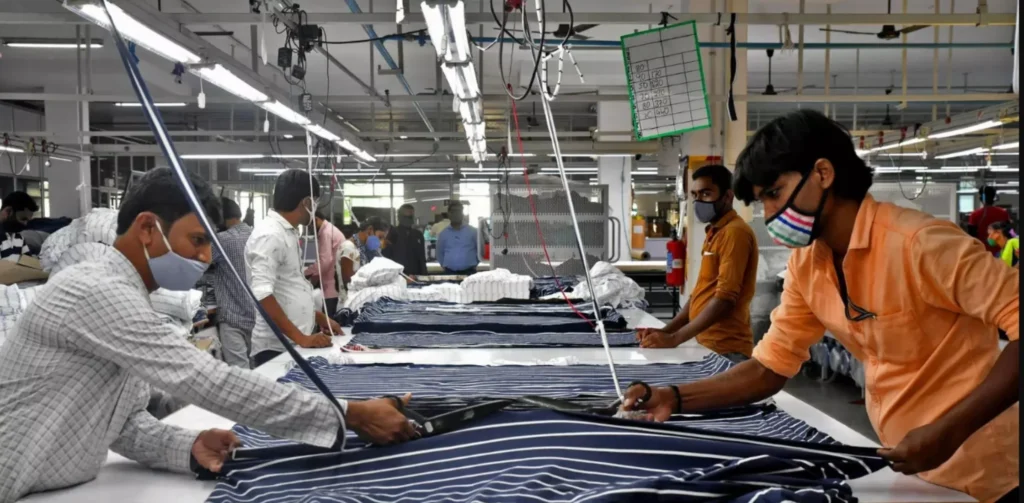
India is the second largest exporter of textile in the world that provides textile as handlooms to the modern clothes. The industry is enjoying the advantage of plenty of cotton crops and excellent labor. Markets of export are the USA, EU, UAE, and Australia. Its products include cotton fabrics and silk garments, synthetic fabrics as well as fashion apparels which are offered worldwide at reasonable prices.
- Why it’s profitable: The global demand and the cost advantage of India.
- Investment Required: ₹5-15 lakhs in regards to inventory, quality test, and logistics.
- Target Market:European Union, USA, Middle East, Australia that are in search of good textiles.
- Profit Potential: Gross margins ranging at 20-35 which are variable based on the product category.
4. Handicrafts & Home Decor
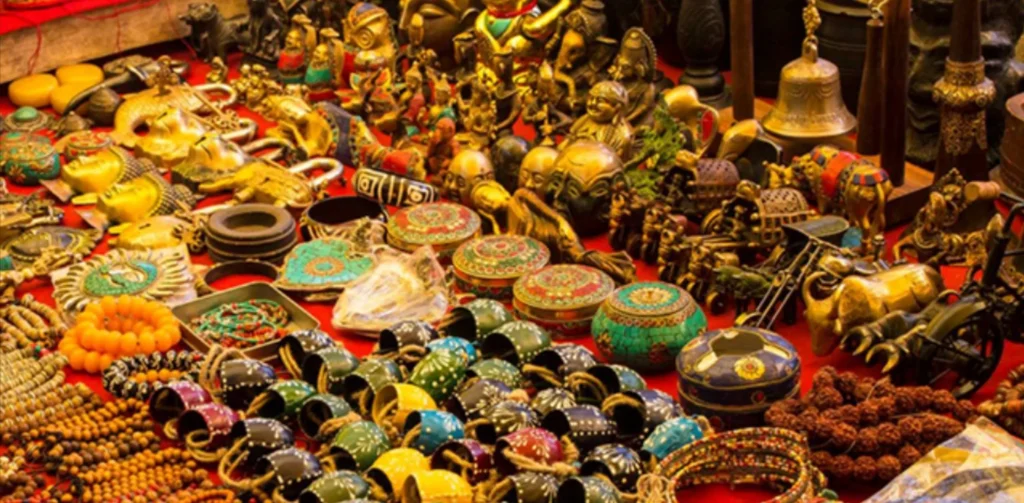
Indian artisans produced centuries of artistic tradition in the form of brass objects, wooden carving, hand-painted Chinese ceramics, and embroidered fabrics. The world is moving towards sustainable, artisan-manufactured goods, which have raised demand. It is one of the most lucrative importation and exportation business concepts in terms of preservation of traditional art with generation of revenue benefits to the markets which perceive special cultural tales.
- Why it’s profitable: The high demand of authentic, hand-made, sustainable goods has high margins.
- Investment Required: 12,000 8,000 lakhs to look for, quality control, and pack.
- Target Market:USA, UK, Germany, France, Japan in search of the real artisan products.
- Profit Potential: 30-50 percent margins in case of fair-trade certifications.
5. Leather & Footwear

India is the second largest exporter of leather and footwear in the world. The sector includes completed leather, clothes, bags, wallets, belts, and footwear. Indian producers are fine at both the old and new modern production techniques with competitive prices but without affecting the quality. The destinations that are to be sold to by exporting the products appreciate products in terms of durability, their ability to be used in different designs, and economic benefits.
- Why it’s profitable: Good manufacturing base with well established international networks of buyers.
- Investment Required: 15-30 lakh as inventory and quality checks and certification.
- Target Market: fashion retailers USA, UK, Germany, Italy middle east.
- Profit Potential: 25-40% margin with the product category.
6. Jewelry & Gems

The jewelry business in India is a blend of traditional gold smithing and contemporary designing. The world is a major producer of diamonds and has a magnificent country that manufactures gold, silver, and fashion jewelry. The states of export are diamond-studded jewelry, precious gemstones, semi-precious stones, and costume jewelry. The source of competitive advantage is artisanship and fair sourcing.
- Why it’s profitable: Luxury products and India’s experience in diamond cutting.
- Investment Required: 25 lakhs-1 crore of product range, certification and inventory.
- Target Market: Retailers of jewels in USA, UAE, Hong Kong, Europe.
- Profit Potential:15-30 percent in precious jewelry, 35-50 percent in fashion jewelry.
7. Processed Foods & Snacks
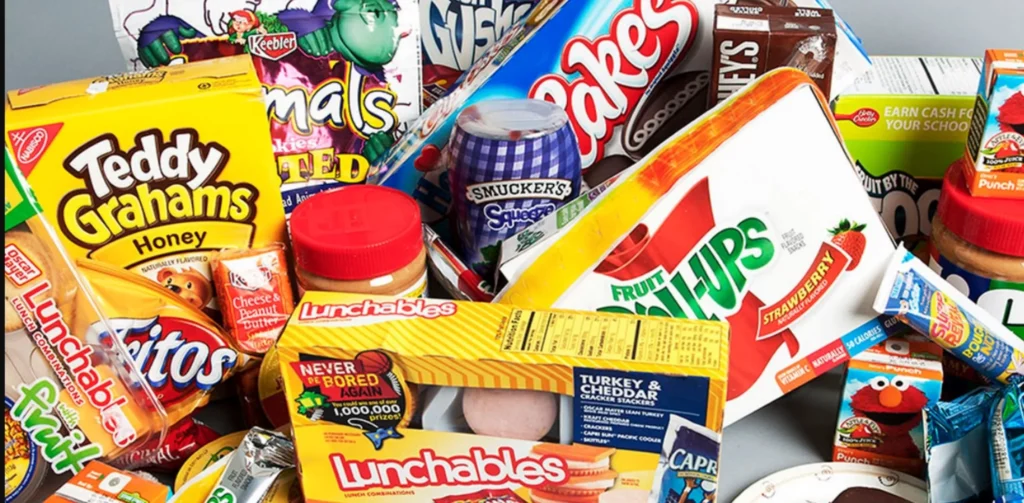
The assorted cuisine in India presents uncountable prospects of exports. Packaged snacks, ready to eat meals, pickles, chutneys, instant mixes and frozen food are offered to the Indian diaspora and food lovers across the world. The sector is also advantaged by growing interest in the Indian flavours and the ready meals offered across the globe with the option of using modern processing plants.
- Why it’s profitable: Increasing international appetite to Indian cuisine with a potential of repeat purchase.
- Investment Required: 10-20 lakh to license with FSSAI, as well as process and export certification.
- Target Market: in the USA, UK, Canada, Gulf countries: Indian diaspora.
- Profit Potential: Gross margin ranges between 25-45 percent with robust branding.
8. Agricultural Products
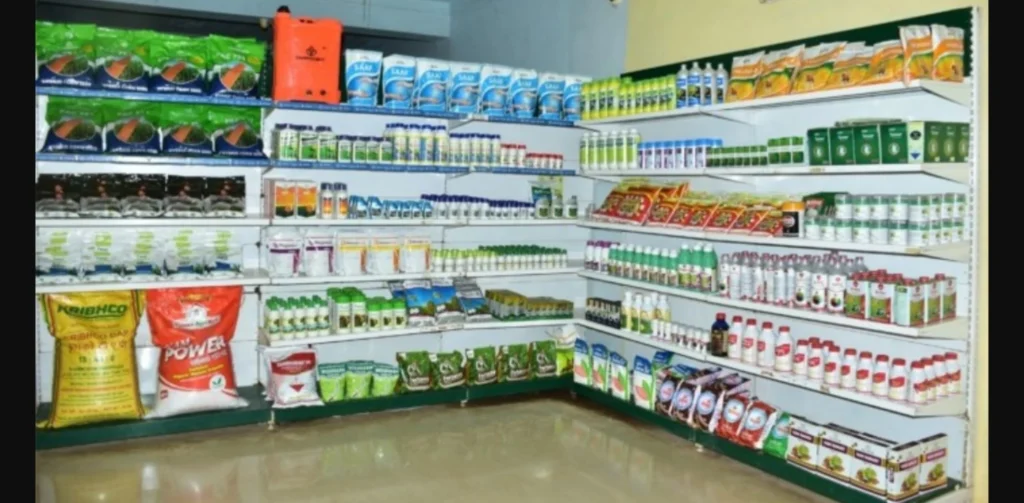
India also exports broadly basmati rice, wheat, fresh fruits, and vegetables as well as pulses and cashews. The wide range of climatic regions available in the country facilitates the removal of seasonality production. There is potential for export business in fresh produce and processed farm products. The traditional sector benefits with government assistance in terms of the APEDA and friendly trade solutions that make the markets more accessible.
- Why it’s profitable: A big production with government support of exports and an expanding organic market.
- Investment Required: 8- 20 lakh (in sources, cold storage and phytosanitary certifications).
- Target Market: Middle East, southeast Asia, Europe, Africa in need of agricultural supply.
- Profit Potential: 15-35% on appropriate supply chain management.
9. Handloom Products & Fabrics

The handloom industry in India is a living tradition based on a thousand-year-long history. The specialties in the region such as Banarasi silk, Kanjeevaram, Chanderi and Pashmina have luxury prices all over the world. Industry provides jobs to millions of weavers, as well as providing slow-fashion alternatives. The global markets appreciate genuineness and creativity in every hand woven product.
- Why it’s profitable: Deluxe positioning as a luxury, environmentally-friendly textiles with cultural authenticity.
- Investment Required: 5- 15 lakhs of weaver partnership, selection of quality and documentation.
- Target Market: luxury fashion houses and shops in Europe and USA.
- Profit Potential: Fair-trade and luxury positioning of 40-70 percent.
10. Eco-Friendly Products (Bamboo, Jute, Reusable Items)
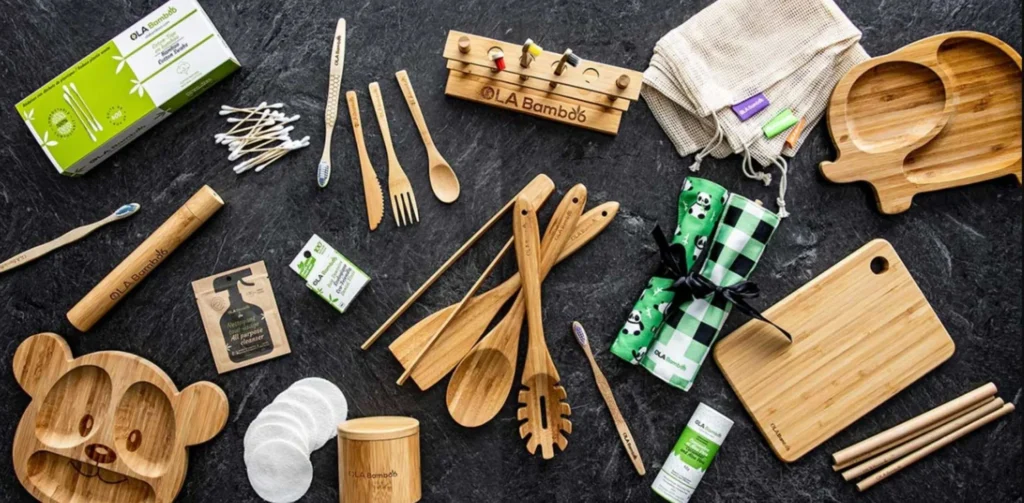
Environmental awareness generates disruptive sustainability demands. Production of bamboo products, jute bags, organic cotton products, biodegradable packaging, and reusable household items is possible in India because of natural resources. The sector complies with global sustainability, as well as, offers rural livelihoods. Products include bamboo toothbrush, as well as environmentally friendly stationery.
- Why it’s profitable: Fast expanding environmentally friendly market at high-end pricing.
- Investment Required:3- 10 lakhs to get sourced, eco-certifications and eco-packaging.
- Target Market:Eco-friendly customers in Europe, USA, Canada, Australia.
- Profit Potential: 35-60% margins are produced by eco-certified products.
B) Import Business Ideas in India with High-Profit Margin
11. Electronics & Gadgets

Massive demand exists due to the increasing middle-income population of India and its adoption of digital. Smartphones, laptops, tablets, smart home products, wearables, and gaming consoles are some of the opportunities of importation. The positive factors that Sector enjoys include a young population who is tech savvy and growing disposable income. The imported electronics have high features and the quality of construction which will take high premium positions.
- Why it’s profitable: High consumer demand, high percentages of product cycles and large percentages of margins.
- Investment Required: 25 lakhs-1 crore inventory, BIS certification and distribution establishment.
- Target Market: Metropolitan millennials and technological lovers.
- Profit Potential: Brand and category margins of 15-35% come under.
12. Cosmetics & Beauty Products

The exposure of Indian consumers to world beauty standards brings in demand for foreign brands. The opportunities of imports are skincare, makeup, hair care, fragrances and beauty tools. The sector enjoys the power of social media and increasing male grooming. The products imported are priced highly owing to the quality and innovation perception.
- Why it’s profitable: High-margin aspirational purchases and brand loyalty.
- Investment Required: 5-10 lakhs+ of product registration and licensing and inventory.
- Target Market: The urban women and men between the ages of 18 and 45 in the metros.
- Profit Potential: Premium beauty products are 40-70% retailing.
13. Health & Fitness Equipment

Health awareness is increasing, which translates into a huge demand for quality gym equipment. The categories of imports are as follows: treadmill, cycling bikes, dumbbells, yoga and smart fitness gadgets. The trend of home fitness persists because among the consumers, the focus is on individual health. The high-end imported machinery is of better quality in terms of construction than the local ones.
- Why it’s profitable: Expanding fitness sector with a moneyed populace prepared to spend on quality apparatus.
- Investment Required: 15-35 lakhs in investment in inventory, duty on imports, and after sales.
- Target Market:Fitness lovers, gym enthusiasts, gym builders, wellness center builders, homes.
- Profit Potential: Quality fitness equipment is generating 25-45 percent margins.
14. Automobile Accessories & Spare Parts
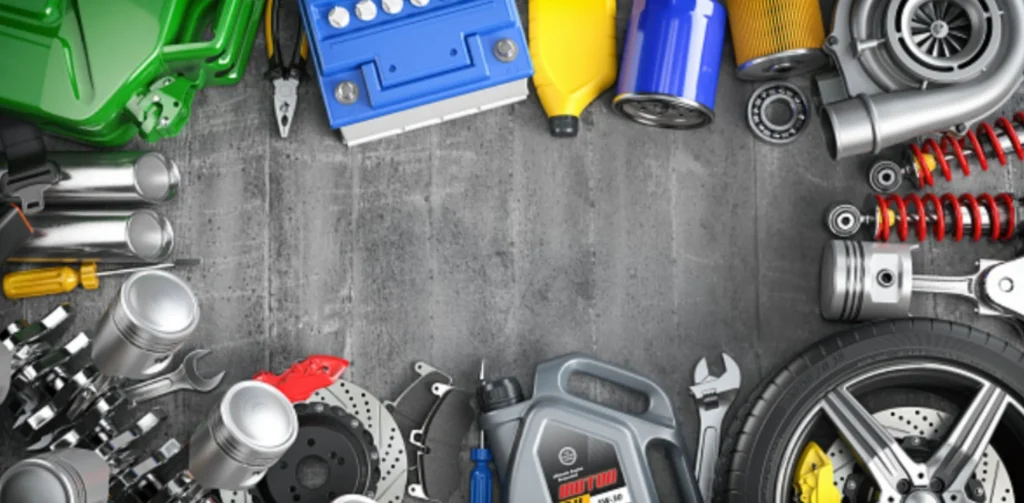
India has witnessed rapid growth in the automobile industry that would generate stable demand for high quality accessories and authentic spare parts. The categories of imports comprise performance parts, styling accessories, electronic parts as well as special tools. Increasing motor vehicle size and the need to customize promotes the market. Foreign accessories are of higher quality that are unavailable in the country.
- Why it’s profitable: A Huge number of vehicles with a frequent replacement demand.
- Investment Required: Inventory and certifications and distribution network 20-40 lakhs.
- Target Market: Customers of cars, auto repair shops, customization workshops, auto parts stores.
- Profit Potential: 30-50% accessories, 20-35% on spare parts.
15. Kitchen Appliances & Gadgets

The growing needs in urbanization and evolving lifestyles are stimulating the need to have modern kitchen solutions. It has air fryers, blenders, coffee makers, food processors, and a smart kitchen as components of import opportunities. The trend of nuclear family and working professionals like convenient and tools which are efficient. Appliances that are imported come with hi-tech features and design.
- Why it’s profitable: people living in the city have a rising middle class with a right to have lifestyle improvements.
- Investment Required: Delivery charges on 12-30 lakh IM to be imported, safety standards, and warranty facilities.
- Target Market: The urban home-owners, working citizens, lovers of cooking.
- Profit Potential:Kitchen appliances come with 30-50% margins.
16. Luxury Products (Watches, Branded Items)

The wealthy in India set up a strong demand for original luxury products. The categories of imports are Swiss watches, designer handbags, up-end accessories, luxury pens, and lifestyle branded products. Rich Indians are buying luxury goods more often. The sector needs authentication, brand authorization and luxury retail presentation.
- Why it’s profitable: The buyers with high purchasing power who possess ultra-high net worth.
- Investment Required: Authorized dealerships and high quality inventory demand between 50 lakh to 2 crores of investment.
- Target Market: The high-net-worth persons in the metro cities and collectors.
- Profit Potential: Approved luxury goods would bring about margins of 25-40%.
17. Specialty Chemicals & Industrial Goods

The manufacturing industry in India has a demand for specialized chemicals that are not easily found in the country. Available opportunities in terms of imports include specialty polymers, adhesives, coatings and laboratory chemicals. Pharmaceuticals, textiles, automotive and construction industries also use imported specialty chemicals. Technical expertise and regulatory compliance knowledge necessary in B2B success.
- Why it’s profitable: The “necessity that has fewer domestic substitutes critical inputs to industry.
- Investment Required: 25 lakhs-crore regulatory ancient clearances, warehouses and security compliance.
- Target Market: Pharmaceutical companies, manufactures, chemical processors, research laboratories.
- Profit Potential: Ind chemicals have 20-40 margins.
18. Stationery & Office Supplies
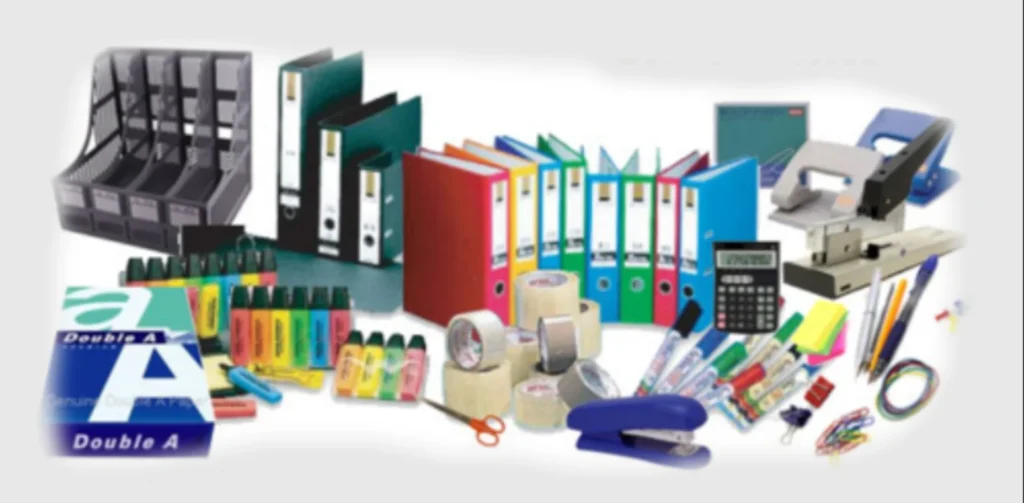
There is always demand in educational institutions as well as corporate offices and government organizations. The categories of imports are: premium writing instruments, specialized paper products, office furniture and technological accessories. The market is provoked by the development of the organized education sector and the corporate expansion. The stationery imported is of a better quality, design and functionality.
- Why it’s profitable: Stable demand used by institutions with the potential to make bulk orders.
- Investment Required: 8-20 lakhs in inventory, networking in the institution and distribution arrangement.
- Target Market: Colleges, Government departments, schools, corporate offices.
- Profit Potential: Margins of the Office supplies are 2540.
19. Toys & Educational Kits

The increased attention of parents to the development of children introduces the demand for high-quality educational toys. The opportunities in imports are STEM toys, building blocks, educational games, puzzles, and creative art supplies. The parents of the middle classes are spending on the products that will offer both learning and entertainment. The safety standards of the imported toys are higher, containing inventive designs.
- Why it’s profitable: Premium positioning with safety conscious parents who are spending on child development.
- Investment Required:10-25 lakhs BIS certification, safety test and inventory.
- Target Market: Urban parents with children between ages 0-12 years.
- Profit Potential: Educational toys have a margin of 35-55%.
20. Pet Products & Animal Feed

The Empire, India is experiencing the growth of a pet care opportunity due to the increased rate of pet ownership. Its categories of imports are premium pet food, care supplies, accessories, toys, health supplements and specialised equipment. Owners of pets consider animals to be the family members and they spend their money on quality products. Pet food imported has better nutrition.
- Why it’s profitable: Fast-moving pet market that attracts a new generation of wealthy pet owners.
- Investment Required: 12-28 lakhs of investment is necessary in license of importing, veterinary, and inventory.
- Target Market: Pet owners in the city, veterinary clinics, pet stores and online sites.
- Profit Potential:It offers 35-60 margin premium pet products.
Market Analysis and Customer Acquisition
- Use Digital trade platforms: Go with IndiaMART, Tradeindia, Alibaba and Amazon Global as credible buyers and others who are making secure payments.
- Trade Fairs: Trade Fairs make use of IITF, GIFTEX, AAHAR to meet face to face and directly have buyer sellers.
- Get on-board Export Promotion Councils: Mint with AEPC, GJEPC, APEDA to get market information, incentives and government provision.
- Making Competitor Analysis: Research pricing, target market, positioning and channels of distribution in order to determine gaps.
- Confirm Requirement with Data: With help of UN Comtrade, Trade Map, ImportYeti, examine quantities and fashionable merchandise.
Conclusion
The future of Indian import and export business ideas in the year 2026 provides never-before opportunities to successful entrepreneurs with the desire to navigate the international markets in a strategic manner. Among antique trades to the new electronics, there are numerous types of products, and there are ambitious traders who are willing to fill the international supply-demand gaps. It takes proper market research, compliance with regulation, proper relationship with suppliers, and flexible business strategies to succeed.
The government policies in India are favorable to international trade ventures, and the rising manufacturing power and convenient geographical location pose good opportunities to international trade ventures. Despite the option of exporting the rich cultural products of India or importing innovative products that could be used by their domestic consumers, there is a high possibility of making good profits. Begin small, keep learning, establish networks that are reliable and grow in a systematic manner.
FAQs
Do I need any special license to establish an import-export business in India?
Yes, you will require an IEC of DGFT, GST registration, PAN, and product-specific certifications such as FSSAI of foods or BIS of electronics.
What is the amount of capital required?
The invested amount will vary between 2-5lakhs in handicrafts and 25lakhs -1crore in electronics or jewelry including inventory and certifications.
What are the most profitable products to be exported in India?
There is a global demand of 30-70% margin on textile, handicrafts, organic spices, ayurvedic products, jewelry and processed foods.
What can I do to attract international buyers?
Exploit the distribution networks such as Alibaba, trade fairs, subscribing to trade promotion councils, and networking via chambers of commerce.
What are the key issues of import-export business?
Regulatory requirements, currency risks, logistics slowdowns, product quality and paperwork as well as customs procedures.