
You know one thing, and that is, India: Chai is not a drink, it is a feeling. It powers the country. Everyone, in the hectic Mumbai, and the tranquil Assam, requires their daily cup.
Selling tea was a small business long ago that was only carried out by local Chaiwalas on street corners. But things have changed. Over the last several years, tea selling has evolved into a multi-million rupee business. Young business people are now wearing suits and selling tea in air-conditioned cafés, often inspired by the growing success of the Tea Franchise in India model. They call it “Chai Startups.”
One of the safest and most profitable business opportunities in the case of starting a business in 2025 is a tea franchise. Why? Since Indians will never quit consuming tea.
The guide is written in such a way that it is targeted at beginners. We are going to tell you all in a simple form, money, brands, profits, and how to start it. There would be no business jargon involved, simple steps.
Introduction: The Chai Business Boom
We will discuss money later, but first we should see why this business is expanding at such a high rate. The Indian tea market is huge.
The following are some of the figures that will make you realize how big this opportunity is:
- Consumption: The consumption of tea in India amounts to more than 1.2 billion kilograms annually. Oh! such a big bunch of tea leaves!
- Market Size: The market of Indian cafe and tea chain will grow by over 13% by 2030.
- Franchise Success: Over the past 5 years, over 2,500 new tea franchise stores have been established both in large cities and small towns, which confirms that the model is effective.
- Daily Habit: The average Indian consumes 2 to 3 cups of tea a day. This implies that your customers will probably make repeat visits to your shop several times a day.
By 2025, the shift is no longer towards roadside stalls but in to clean, branded tea cafes where individuals can sit and converse and have a clean bite with their chai.
Tea Franchise Revolution of Rise of India in 2025
Why are all people starting a tea franchise? Let’s break it down.
1. The “Cool” Factor
In the past, individuals used to visit coffee shop such as Starbucks to socialize. But coffee is expensive. A cup of coffee will cost 200 or higher. A cup of branded chai costs ₹15 to ₹25. The kids would like to have a cool place with Wi-Fi and friends, but they also would like to have it cheap. Tea franchises fill that gap.
2. Hygiene is King
Following the catastrophe of recent health scares, people are concerned with cleanliness. They take tea in the streets, yet they are afraid of the dirty glasses or the dirty water. Branded franchises offer filtered water, gloves and clean cups (or eco friendly Kulhads). Individuals are willing to spend 5 more dollars to obtain this cleanliness.
3. The “Desi” Taste
Although burgers and pizzas are commonplace, Indians are in need of Bun Maska, Samosas, and Maggi. These snacks of the Desi variety are sold by tea franchises and are sold more quickly than the costly pastries.
4. Technology and Delivery
Not in 2025, you are waiting for customers to walk in. You sell on Zomato and Swiggy. Tea can be taken in heat preservation flasks. This is a source of revenue that traditional tea stalls do not normally possess.
What makes Tea Franchises a High-Profit Business?
You would ask, How much money would I get to make selling 20 rupees tea? Volume (sell a lot of cups) and Margins (the difference between the cost and the price at sale) is the answer.
The Magic of Low Product Cost
Consider the ingredients of a cup of tea; water, splash of milk, spoon of sugar and tea leaves.
- Cost to make one cup: ₹5 to ₹7.
- Selling Price: 15 to 25 (depending on the brand).
- Profit per cup: You earn an almost 3-4 times profit on the cost of the raw material.
The “Snack Attachment”
There are very few individuals who drink tea only. They tend to purchase a pack of cookies, a puff or a sandwich.
As an example, when a customer purchases tea at 20 rupees, he/she tends to purchase a snack at 40 rupees.
- Your total sale becomes ₹60.
- This is a great way of increasing your day-earnings.
All‑Season Business
Ice-cream stores are a loser in winter. Juice stores are victims of the monsoon. Tea shops run 365 days a year. Even rain makes one desire tea even more!
Tea Franchise Investment Guide (2025 Pricing Explained)
This is the most significant section. What is the amount of money you require?
Most websites provide you with one number, but it is a misleading number. We should de-budget the costs so that you do not hit a surprise in the future.
1. Startup Cost Breakdown (The initial Investment)
This is the cash you require prior to opening up the doors.
- Franchise Fee: It is the amount of money you pay the brand to utilize their name. It may vary between 250000 and 100000.
- Interiors and Furniture You will require a counter, lights, tables, chairs, and branding boards.
- Kitchen Equipment: Stoves, freezers, refrigerators, milk boilers and utensils.
- Shop Deposit: You must pay the landlord of your shop a security deposit (typically 3-6 months of rent).
2. Setup Cost/ Working Capital.
Working Capital is usually forgotten by new business owners.
- Setup Cost: Construction of the shop (once).
- Working Capital: Shop operation (monthly).
Tip: You should always save 2 Lakhs in addition to your bank account on the first day. This is needed to cover salaries and purchase milk/sugar during the first few months until your profits become stable.
3. Royalty Fees
A majority of the large brands present a Royalty. This is a monthly payment to a brand as a form of their support.
- Fixed Royalty: As an example: Pay 5,000 every month, regardless of sales.
- Percentage Royalty:Example: Pay 4 percent of your total sales. If you sell ₹1 Lakh, you pay ₹4,000.
- Observation: There are also so-called No Royalty brands (such as Yewale Amruttulya or Tea Time). This is great for beginners.
4. Hidden Costs to Consider
- FSSAI, Shop Act, Fire Safety (Cost: ₹10k -20k).
- Launch Marketing: Balloons, flyers, first day free tea to bring in people.
- Personnel Uniform and Training: You pay the travelling expenses of the training team at times.
Top 10 Tea Franchise in India (2025 List)
These are the most appropriate brands. We have combined Low Cost, Mid-range and Premium so that you have an opportunity to select one based on your budget.
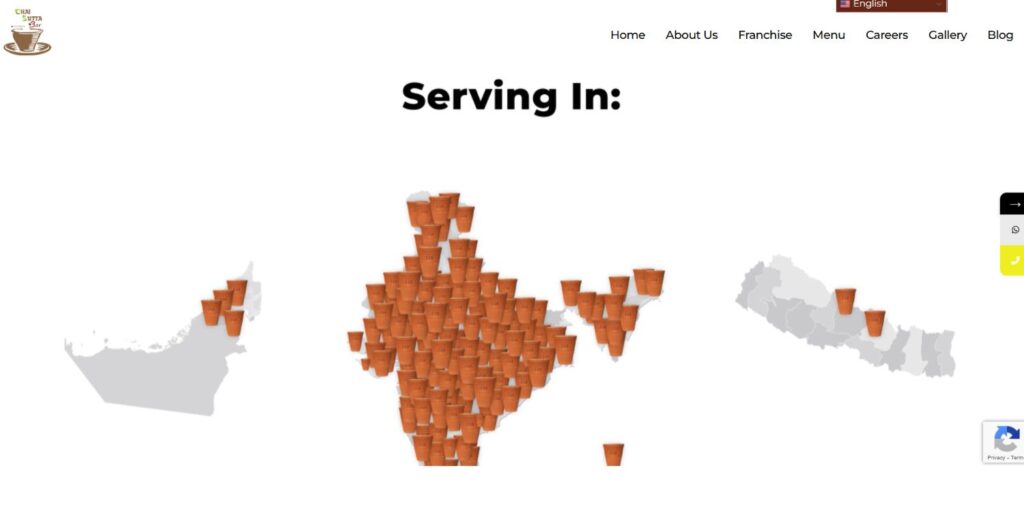
1. Chai Sutta Bar (CSB)
- Type: Youth Favorite / Mid-range.
Chai Sutta Bar is also known as a place where tea is served in Kulhads (clay cups) and the catchy name. It is so popular among college students. They are very strong in Tier 2 and Tier 3 cities. They prohibit smoking; it is only the name to capture interest. One of their bestsellers is their Chocolate Chai.
- Investment: ₹16 Lakhs – ₹25 Lakhs
- Franchise Fee: ₹6 – ₹8 Lakhs
- Space Required: 300 – 400 sq ft
- Royalty: Mostly about 4% (depending on contract)
- Return on the Investment (ROI): 12-18 months.
2. MBA Chai Wala
- Type: Marketing Heavy / Famous Brand.
This brand was launched by Prafull Billore and is renowned throughout social media. This is the place to go if you want a shop that is already Instagram-famous. They give much attention to stimulation, entrepreneurship, and networking activities in their cafes, which draws in a large number of curious customers. Models like the Tea Day Franchise also show how modern tea brands are building strong community-driven spaces that attract today’s youth.
- Investment: ₹15 Lakhs – ₹25 Lakhs
- Franchise Fee: ₹5 Lakhs (approx)
- Space Required: 150 – 300 sq ft
- Royalty: Expected (check current agreement)
- Return on investment (ROI): 1520 months.
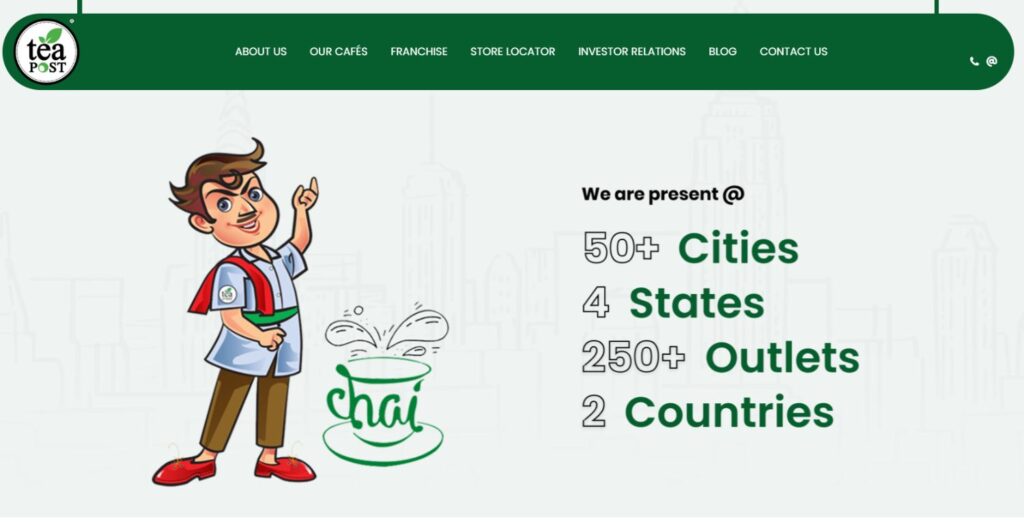
3. Tea Post
- Type: Family Friendly / Desi Starbucks.
Headquartered in Gujarat, Tea Post is a highly comfortable and family-friendly workplace. They are rather good cafes rather than tea stalls. They offer a full menu such as Handvo, Poha and sandwiches. They boast more than 200 stores and their presence is very robust in Western India.
- Investment: 15 Lakhs (kiosk) to 40 Lakhs (cafe).
- Franchise Fee: ₹3 – ₹5 Lakhs
- Space Required: 500 – 1000 sq ft (for cafe)
- Royalty: 4% – 5%
- Return on Investment (ROI): 18 -24 months.
4. Tea Time
- Type: Low End / Mass Market.
It is the biggest Indian-based chain of tea (3000+). They target small towns and rural locations with their base in Hyderabad. They also sell their tea at extremely low prices (₹12–15), making it affordable for everyone. The arrangement is very easy, and they follow a Dum Tea approach, similar to how the Tea Time Franchise has scaled across India with simple operations and budget-friendly pricing.
- Investment: 5 Lakhs -6 Lakhs (extremely cheap)
- Franchise Fee: This is usually part of the package.
- Space Required: 100 – 150 sq ft
- Royalty: No Royalty (on some models) or 3 percent.
- Return on Investment (ROI): 6-10 months.
5. Yewale Amruttulya
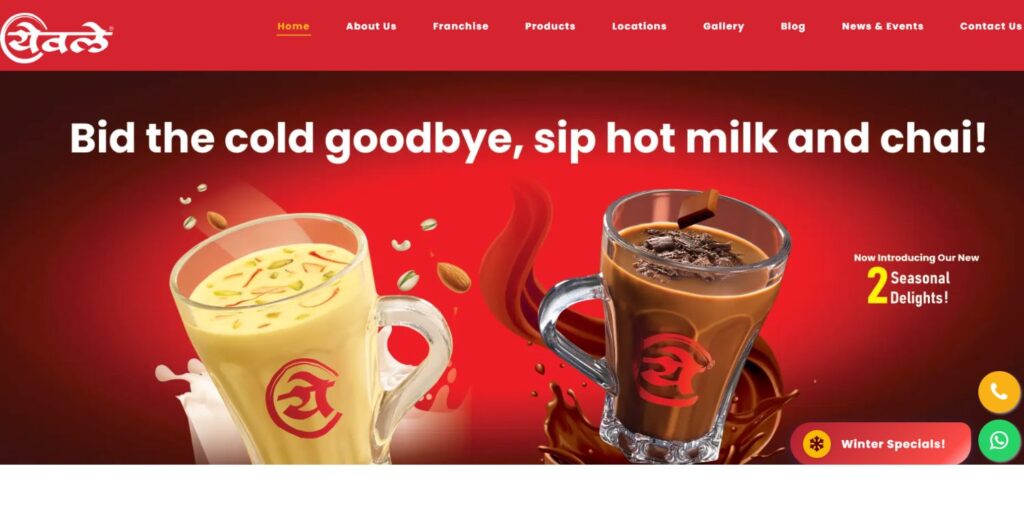
- Type: Maharashtrian Flavor/High Volume.
Well-known due to the particular sweet and spicy flavor of tea. They brew tea and milk along with sugar in a certain manner. The brand is massive in Maharashtra. They are based on a No Royalty model making them extremely profitable to owners. The menu is extremely small (Tea + Cream Rolls) and therefore easy to handle.
- Investment: ₹10 Lakhs – ₹12 Lakhs
- Franchise Fee: ₹3 Lakhs + GST
- Space Required: 200 – 300 sq ft
- Royalty: 0% (No Royalty)
- Payback period (ROI): 10 -14 months.
6. Chaayos
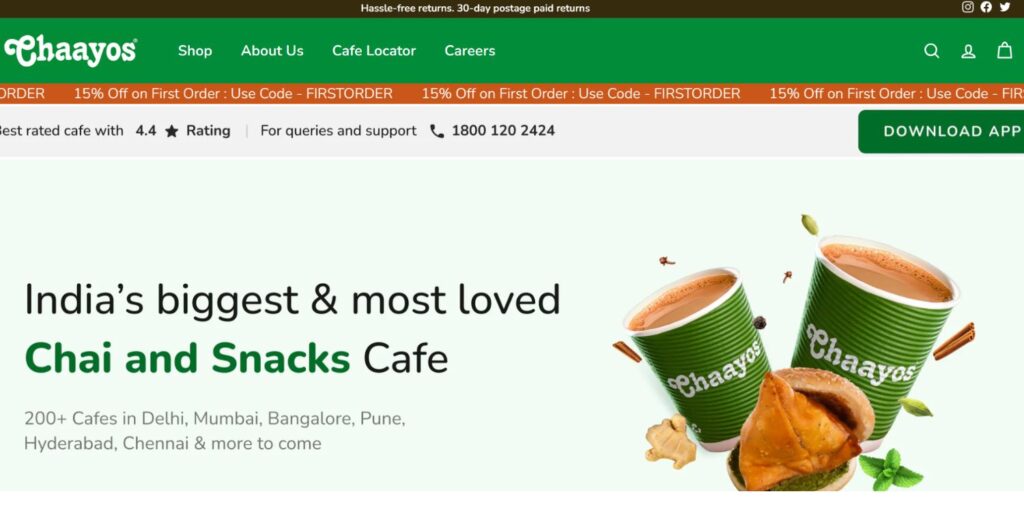
- Type: It is a premium / tech-enabled category.
Chaayos is targeted to the elite customer. They provide technology in which the customers have the option to personalize their tea in 12,000 ways. Their food menu is extensive. Note: Chaayos has mostly worked on a company owned model though they have begun to consider partner models. The cost of investment is great, and the payback is high as well.
- Investment: ₹20 Lakhs – ₹30 Lakhs+
- Franchise Fee: High (premium segment)
- Space Required: 600 – 1000 sq ft
- Royalty: Revenue share model
- Payback/ Return on Investment (ROI): 24-30 months.
7. Chai Point

- Type: Corporate / Office Focus
Chai point targets working people. They also possess special tea dispensers which maintain the same taste. They are fond of office delivery of tea. Similar to Chaayos, they control a majority of their shops, although currently they are allowing some large budget partners to franchise.
- Investment: ₹25 Lakhs – ₹50 Lakhs
- Franchise Fee: Variable
- Space Required: 600 – 1000 sq ft
- Royalty: Percentage on sales
- payoff in terms of investment(ROI): 24 Months+
8. Chai Thela

- Type: Hygiene / Street Style.
Chai Thela desires to modernize the roadside cart. They prepare the tea fresh on the spot, not in preserved flask and they pay much attention to snacks such as Maggi and toast. They are prevalent in IT parks and business buildings.
- Investment: ₹10 Lakhs – ₹15 Lakhs
- Franchise Fee: ₹4 – ₹5 Lakhs
- Space Required: 200 – 400 sq ft
- Royalty: 5% 7%
- Return on Investment (ROI): 12 – 18 Months.
9. Karupatti Coffee / Raja
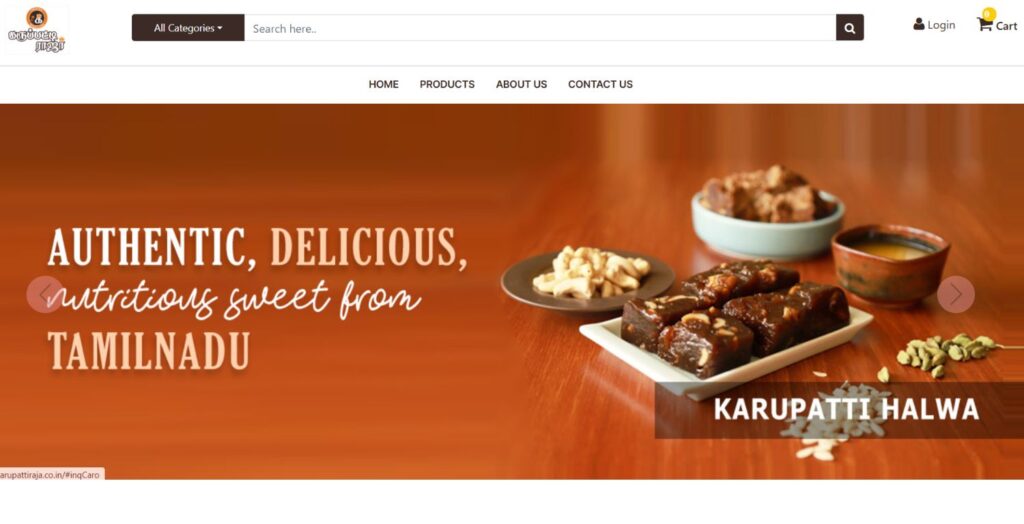
- Type: South Indian / Healthy Choice.
This is a big trend for 2025. The population is shunning white sugar. Palm Jaggery is known as karupatti. These franchises offer coffee and tea which is sweetened using healthy palm jaggery. They are rapidly expanding in South India (Tamil Nadu, Karnataka) and expanding northwards.
- Investment: ₹5 Lakhs – ₹10 Lakhs
- Franchise Fee: ₹1.5 – ₹2 Lakhs
- Space Required: 200 – 300 sq ft
- Royalty: Often 0% or very low
- Return on Investment (ROI): 8 -12 Months.
10. Tealogy

- Type: the category encompasses both Kulhad Focus and Variability.
Headquartered in Indore, Tealogy has numerous flavors of tea. They had positioned themselves between a low price road side stall and a high price cafe. Their models (kiosk to full cafe) are flexible hence you can select according to your budget.
- Investment: ₹10 Lakhs – ₹15 Lakhs
- Franchise Fee: ₹2 – ₹3 Lakhs
- Space Required: 200 – 500 sq ft
- Royalty: 0 (Royalty Free Model can be used)
- Return on Investment (ROI): 10 -15 Months.
How much you need to open a Tea Franchise in India.
Money is not all you need to open your shop. You require the correct legal documents and materials.
1. The ideal Retail Space (Critical!)
This is 90% of your success.
- Large Traffic: Search around college areas, bus terminals, railways stations or large office buildings.
- Location: Your shop has to be visible on the main road. This is a business that basement shops normally fail in.
- Water Connection: Fresh water is required always.
2. Manpower
You cannot run this alone.
- Head Chef/Tea Maker: 1 individual that is familiar with the recipe of the brand.
- Helpers: 1 or 2 individuals to wait on the customers, clear tables and wash crockery.
- Uniforms: These will be most commonly offered by the brand.
3. Licenses and Papers
In India one cannot sell food without these:
- FSSAI License: This refers to the food safety license. Mandatory.
- GST Registration: To remit taxes on your sales and royalties.
- Shop Establishment Act (Gumasta): The local license.
- Fire NOC: A letter that states that your shop is not at risk of fire (as you are using gas/stoves).
Which Tea Franchise to Choose on a Budget.
Do not simply choose the most popular brand. Pick the one that fits you.
If you have ₹5 ₹8 Lakhs:
Karupatti Raja or Go for Tea Time.
- Advantages: Small business, simple to establish, suitable to small towns.
- Disadvantages: reduced profit per cup but large volume.
If you have ₹10 ₹18 Lakhs:
Have Yewale Amruttulya, Chai Thela or Tealogy.
- Advantages: Excellent brand power-price ratio. None of the royalty options.
- Disadvantages: This segment is highly competitive.
If you have ₹20 Lakhs+:
Buy Chai Sutta Bar, Tea Post (Cafe Model), or MBA Chai Wala.
- Advantages: Massive brand awareness, high-end consumers, increased ticket value (customers will spend more).
- Disadvantages: high risk in case the location is bad, increased monthly costs.
Pro Tip: You should visit 3 stores of the brand that you like before spending any money. Taste the tea. Speak to the owner (assuming he/she is present). Do not sell tea, which does not taste pleasant to you.
How to Apply for a Tea Franchise in India (Step-by-Step Process)
Step 1: Research & Contact
Access the brand official site. (Beware of fake websites! Always check the URL). Complete the Franchise Inquiry Form.
Step 2: The Discovery Call
One of the representatives of the brand will call you. They will ask:
- Which city are you in?
- Are you a shop owner or are you renting one?
- What is your budget?
- Tip: Be realistic with your money.
Step 3: Site Visit
After you pass the initial call, you will probably pay a small amount referred to as a Token Amount (refundable normally). The staff of the brand will come to your suggested place. They will number the number of people passing by and will inform you whether the shop is good or not.
Step 4: Agreement & Payment
In case of approval of the location, you sign the Franchise Agreement. This is a legal contract. Read it carefully! It is at this point that you make payments on the Franchise Fee.
Step 5: Interior & Training
The design layout will be provided to the brand. The shop will be constructed by you (their contractors). At the same time, you will recruit employees and send them to the headquarters of the company to spend 7-10 days of training.
Step 6: Grand Opening
The brand will assist you in planning the launch. Purchase balloons, hang music and invite local influencers or friends. Start brewing!
Conclusion
The idea of opening a Tea Franchise in India in 2025 is a wonderful opportunity. The market is shifting towards untidy stalls into clean branded cafes and you can ride along this tide.
It is important to remember that the brand name gets the customer through the door once. Yet it is the flavor of your tea and the grin of your employees that makes them come back to the same place daily. You can go with an affordable alternative such as Tea Time or one that attracts the youth such as Chai Sutta Bar but the point is to be consistent. Serve each cup as though it is the most significant cup you are serving.
Do you want to be the next big Chai business in your town?
FAQs
Is the tea franchise business a good one in India?
Yes, it is highly profitable. The profit margin of one cup of tea is high (usually 50-60%), and it is a high turnover business with repeat customers coming every day.
What is the lowest cost tea franchise in India?
Tea Time is also among the cheapest and dependable ones, and overall investment is approximately 5 to 6 Lakhs.
Should I be a cook to establish a tea franchise?
No. The franchise brand will offer “Premixes” (premade spice blends) or train your employees to adhere to some conventional recipe. All you have to do is to run the business.
What size of space will I require in a tea shop?
A small kiosk (takeaway only) will only need 100-150 sq ft to begin. In the case of a cafe with seating, 300-500 sq ft would be ideal.